
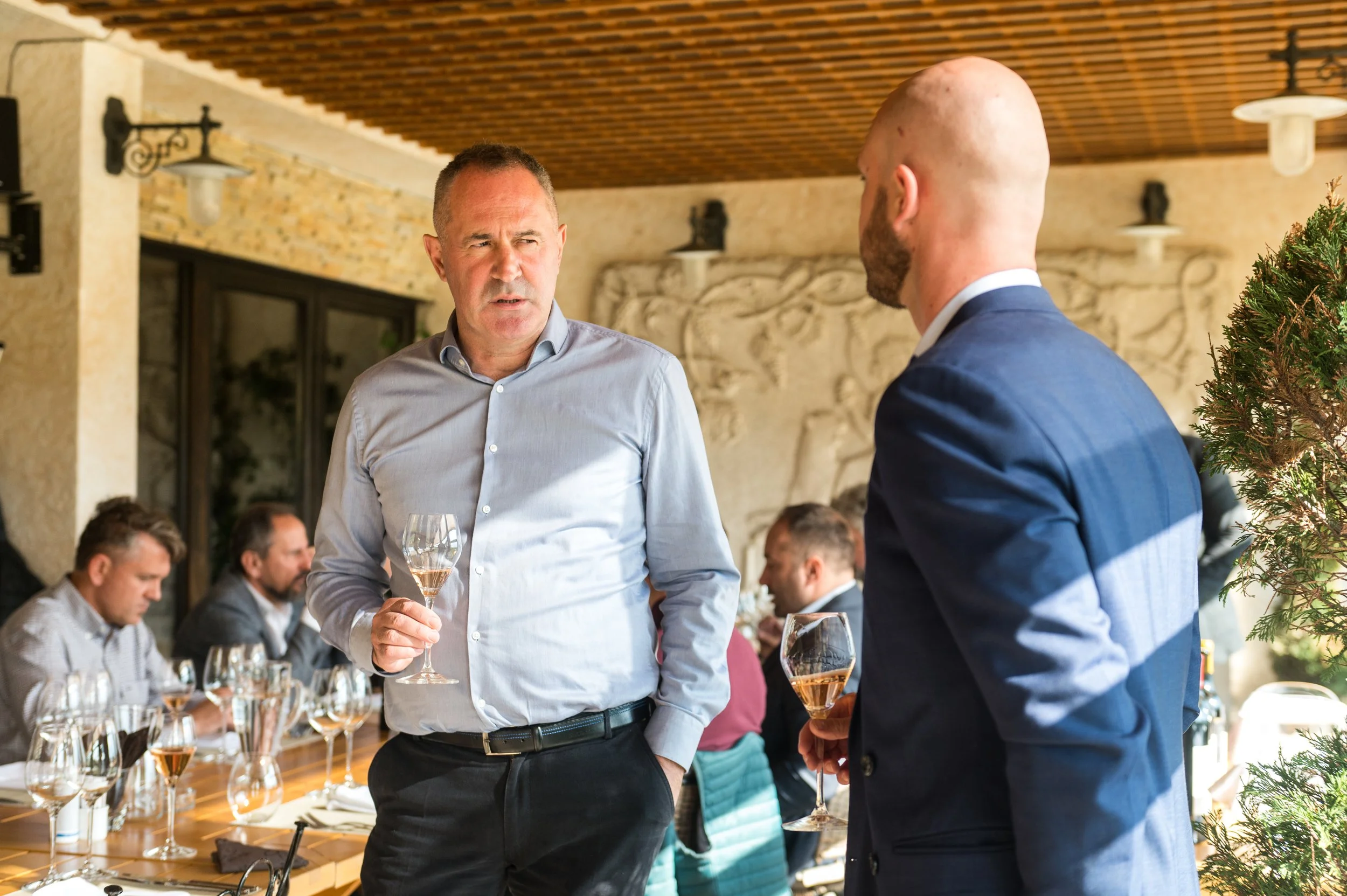
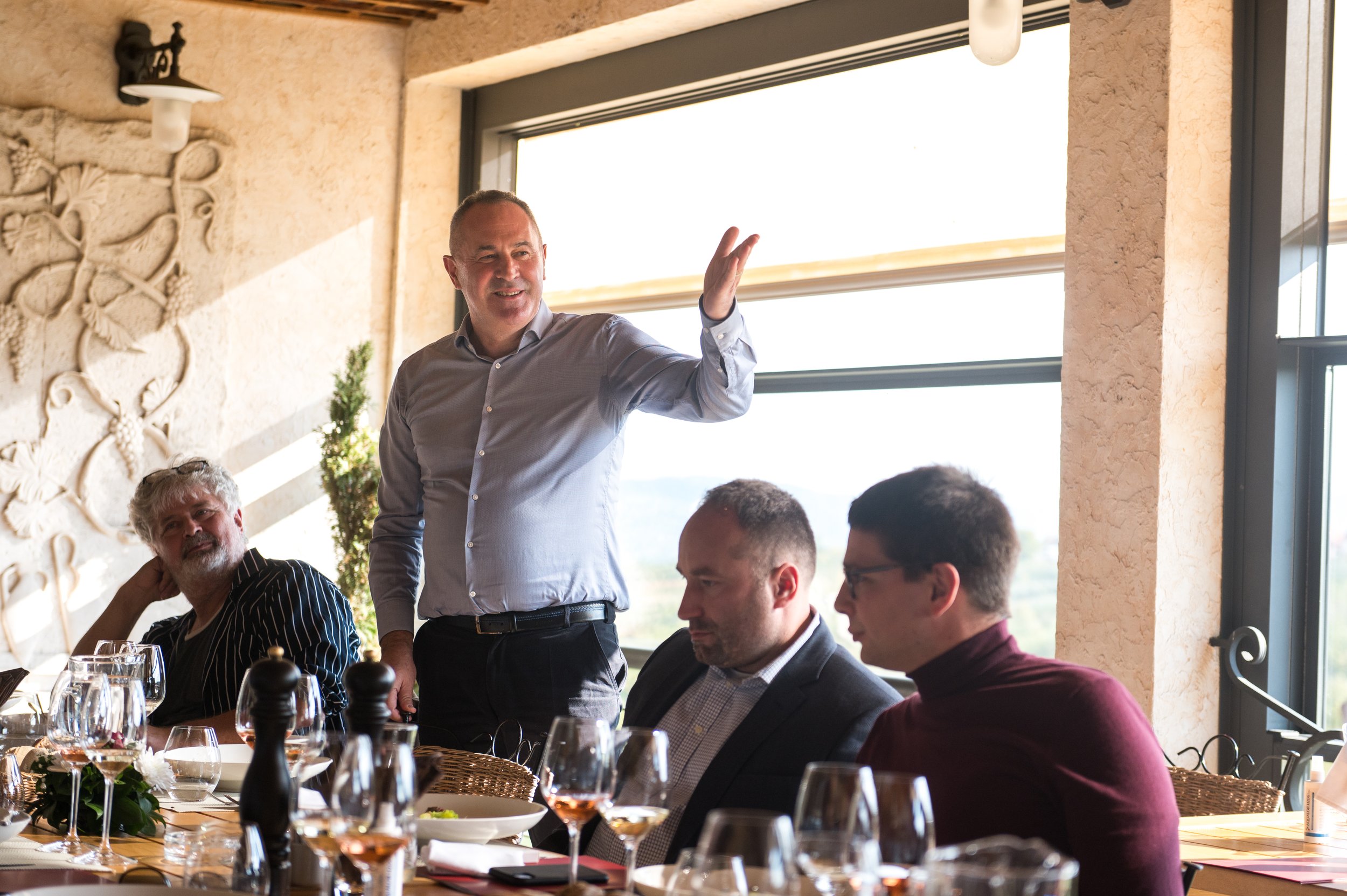
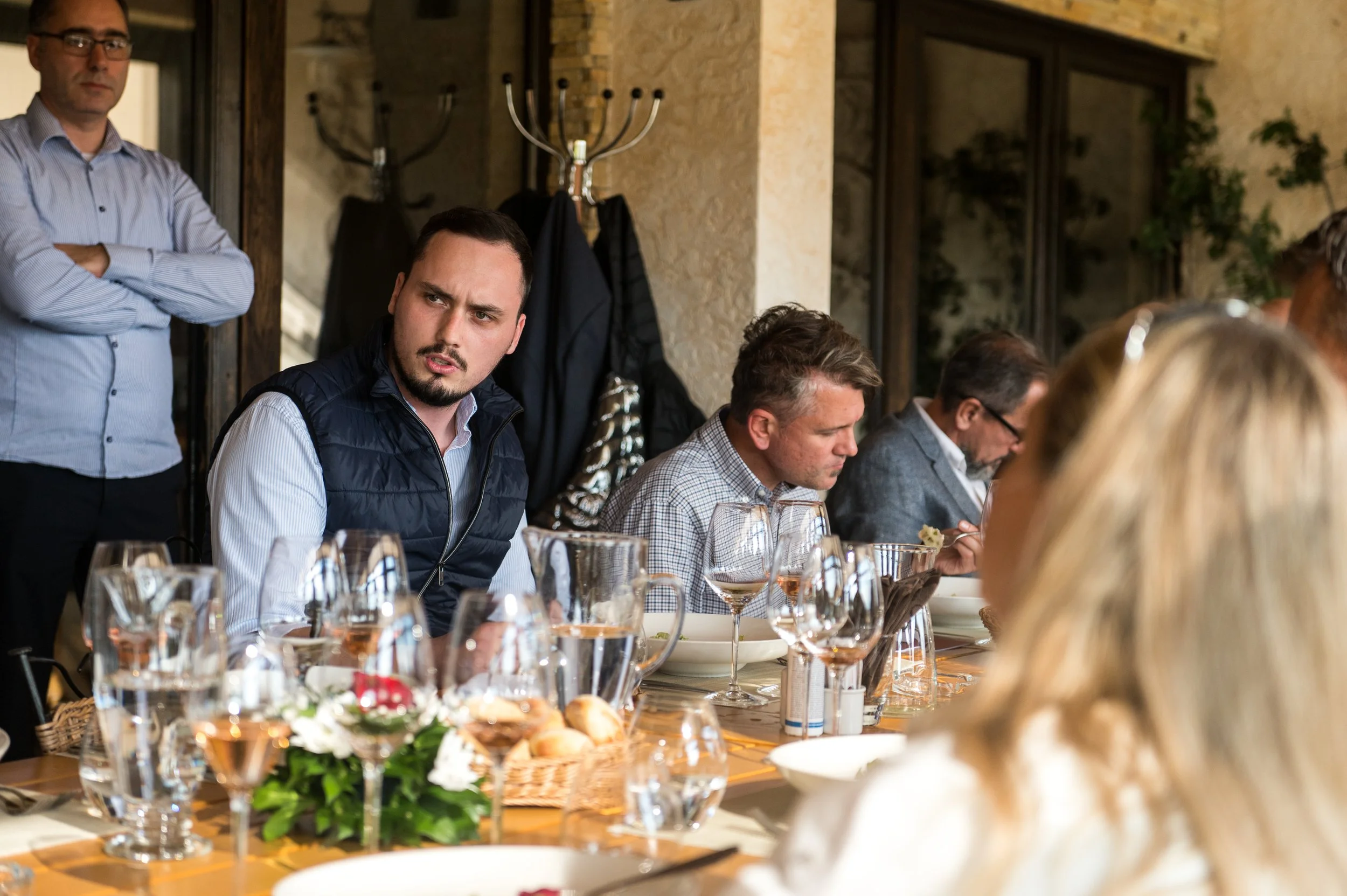
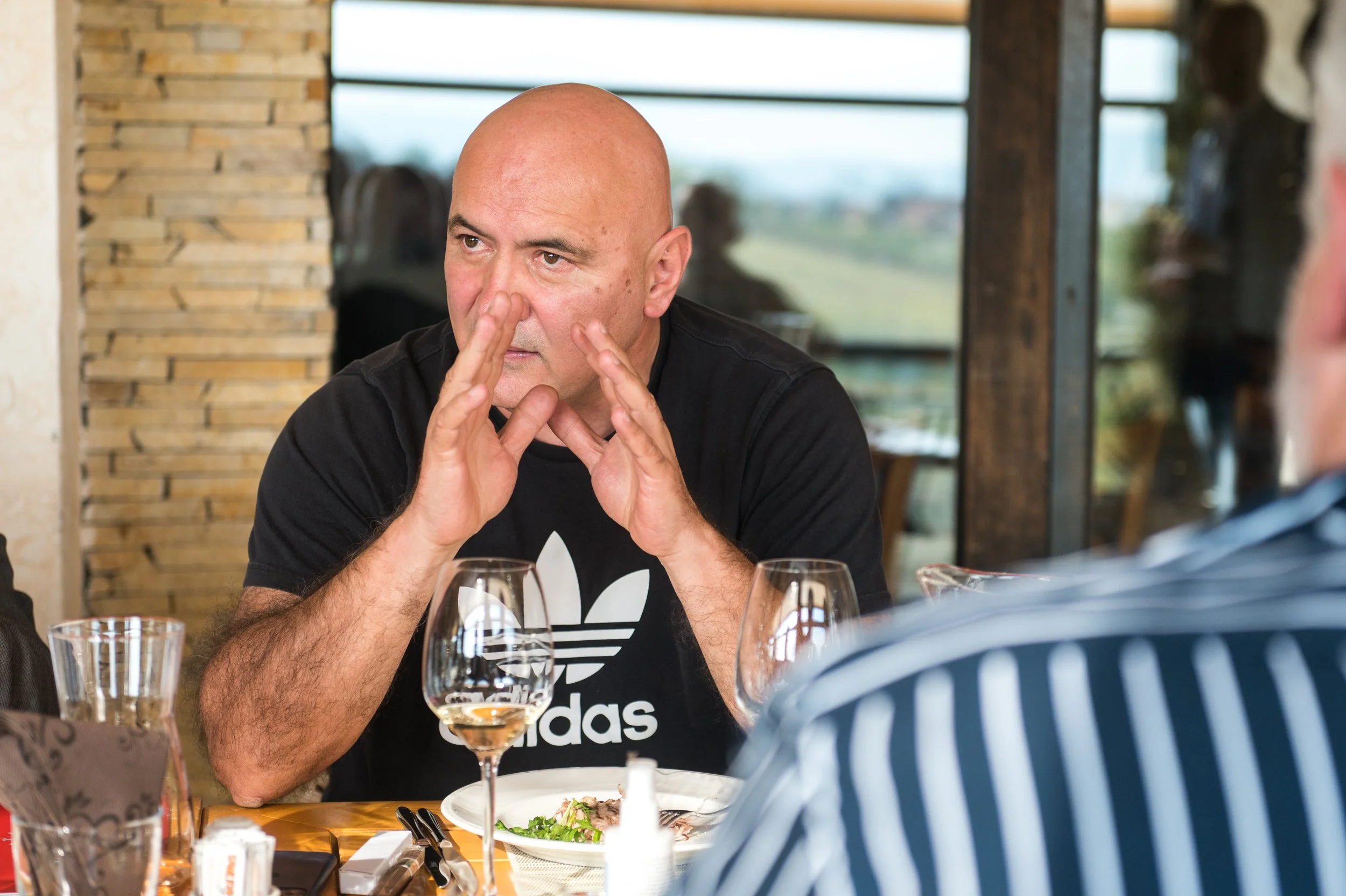
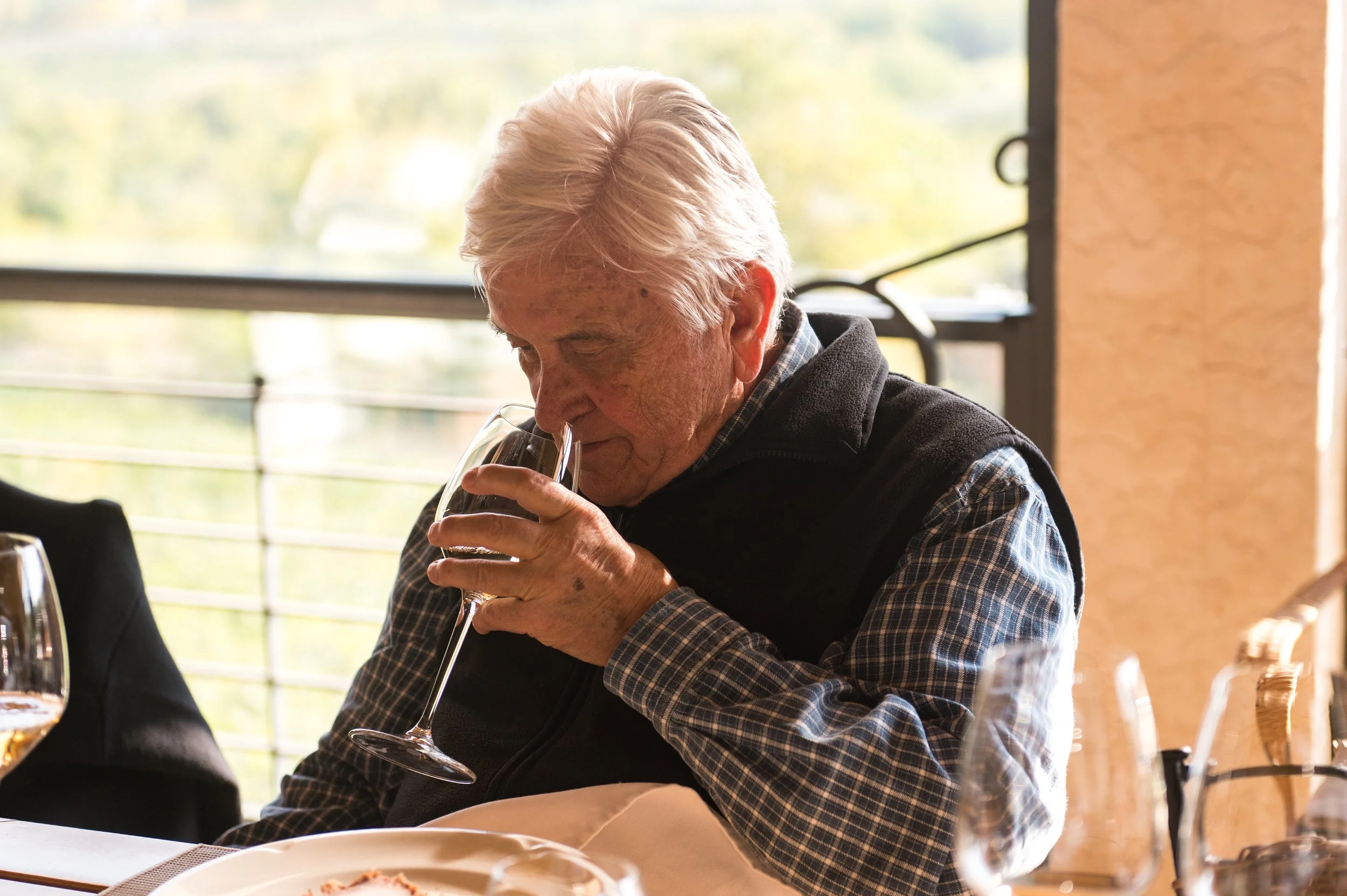
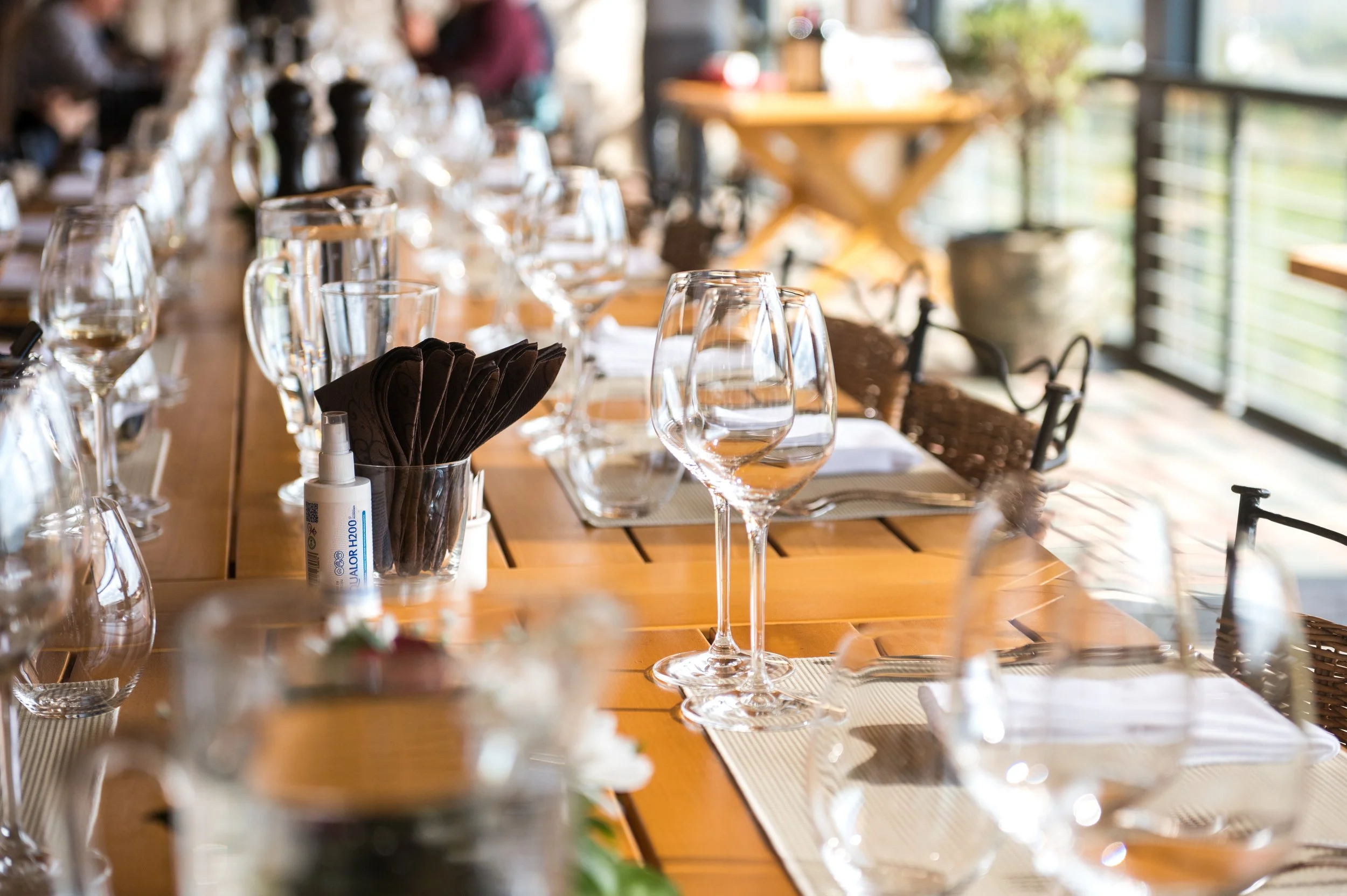
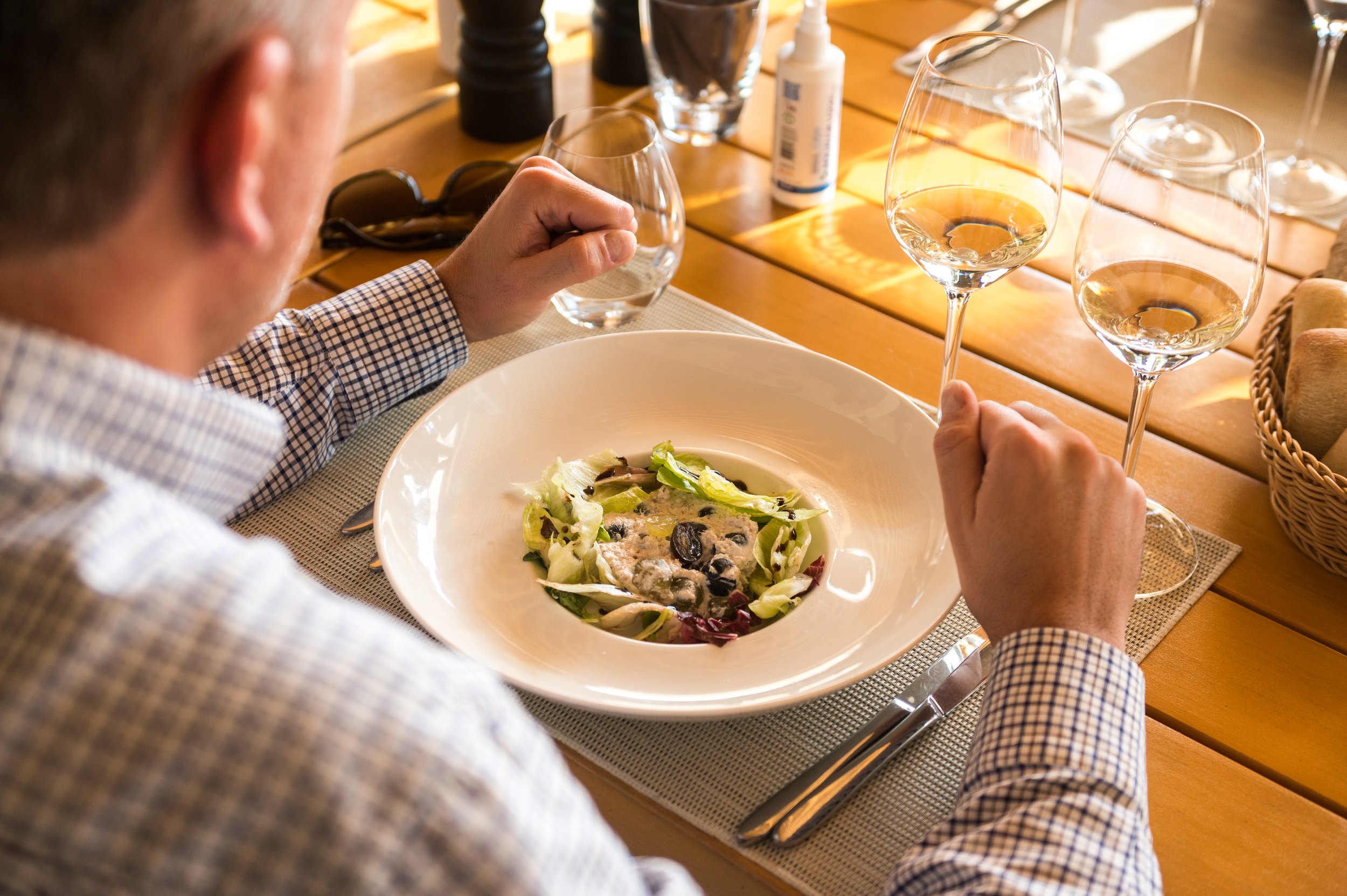
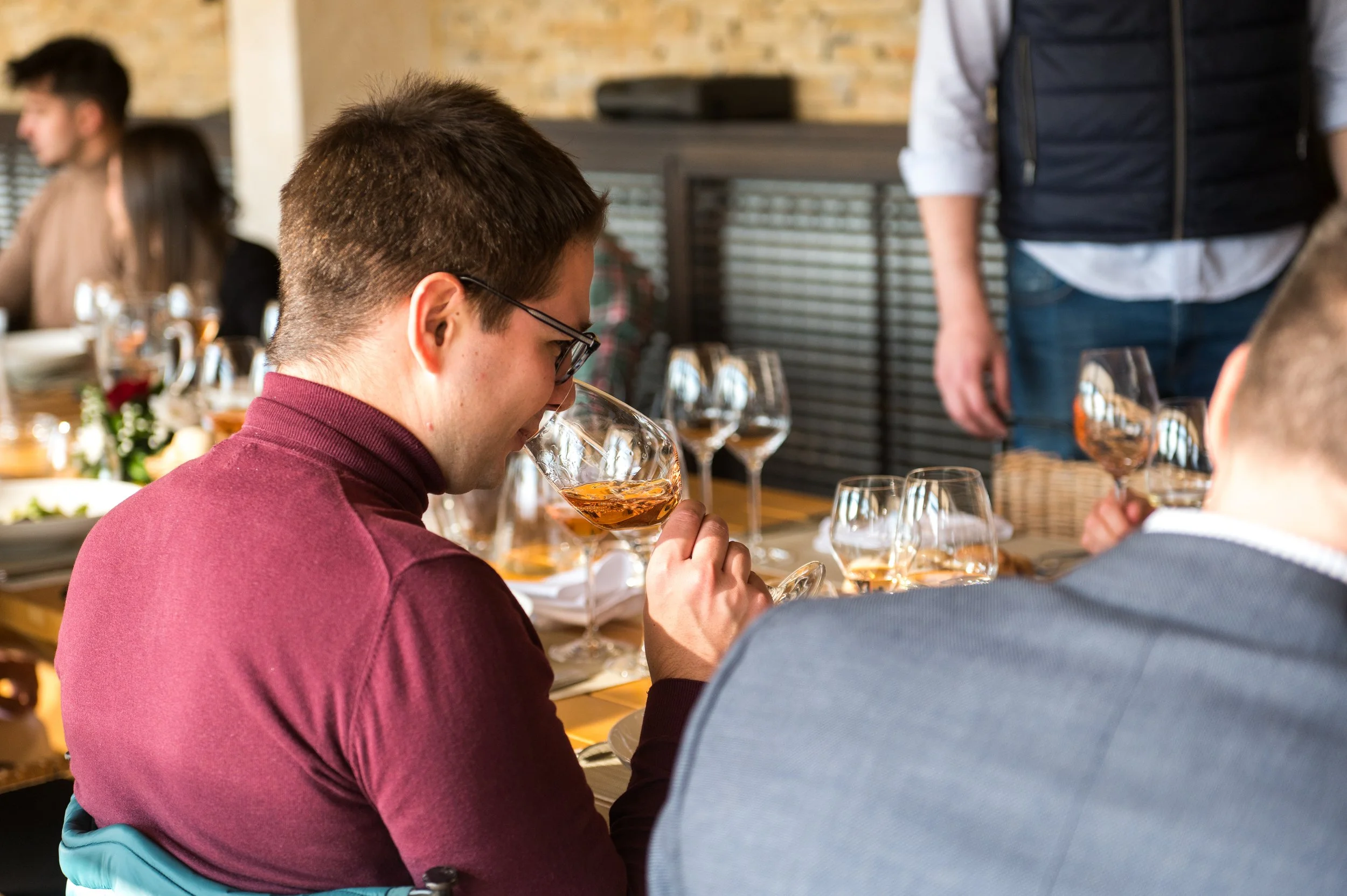
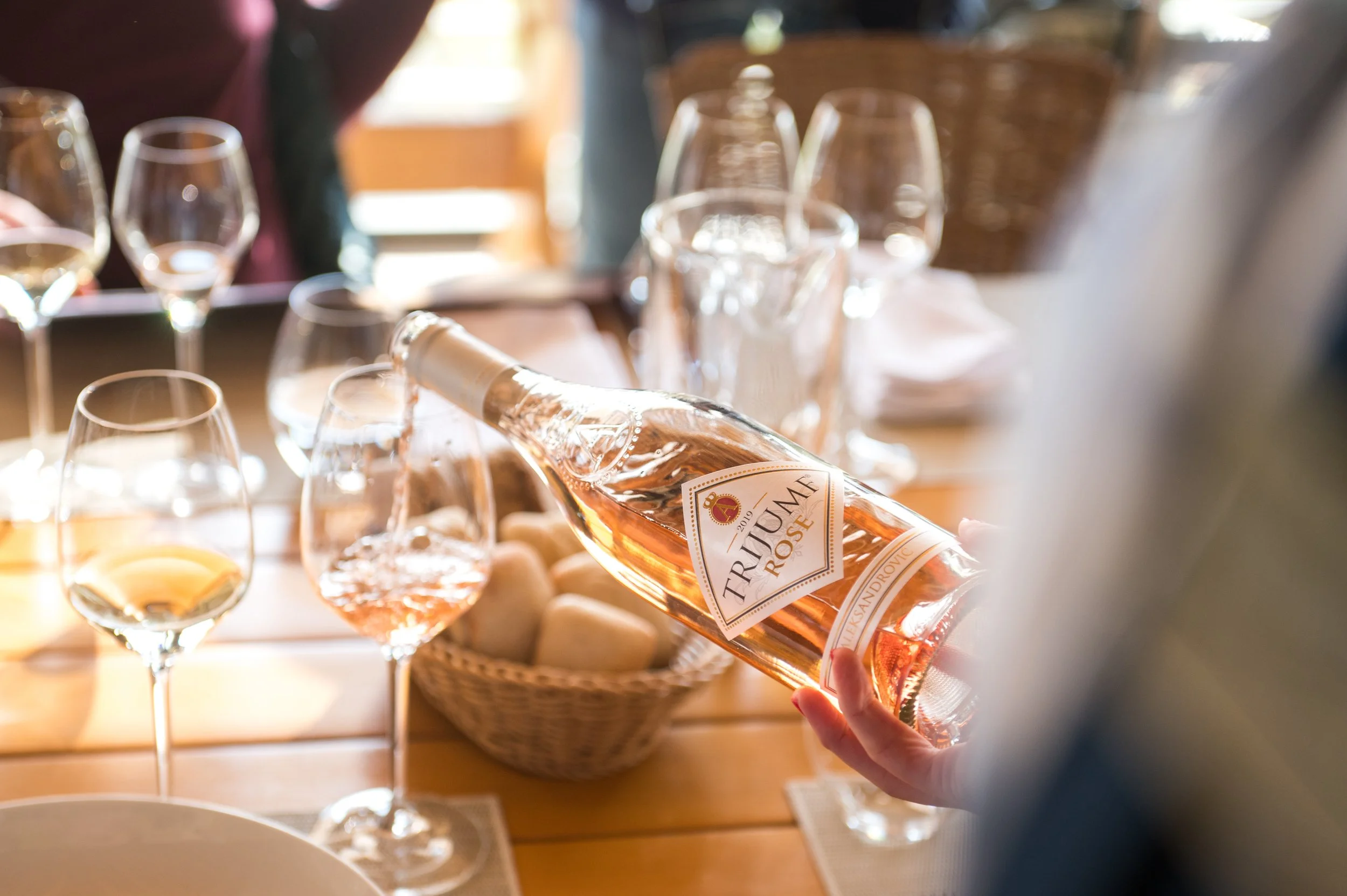
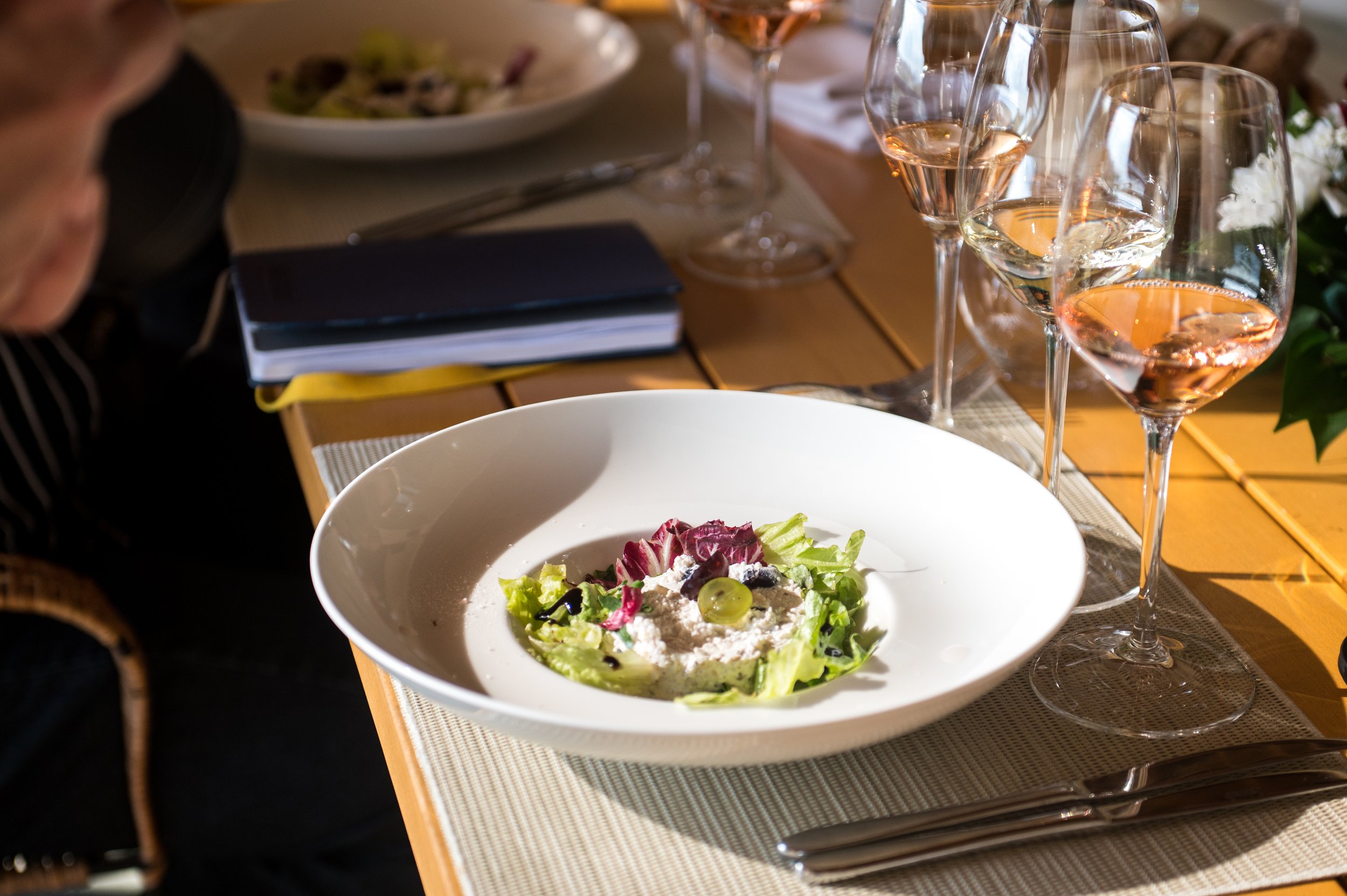
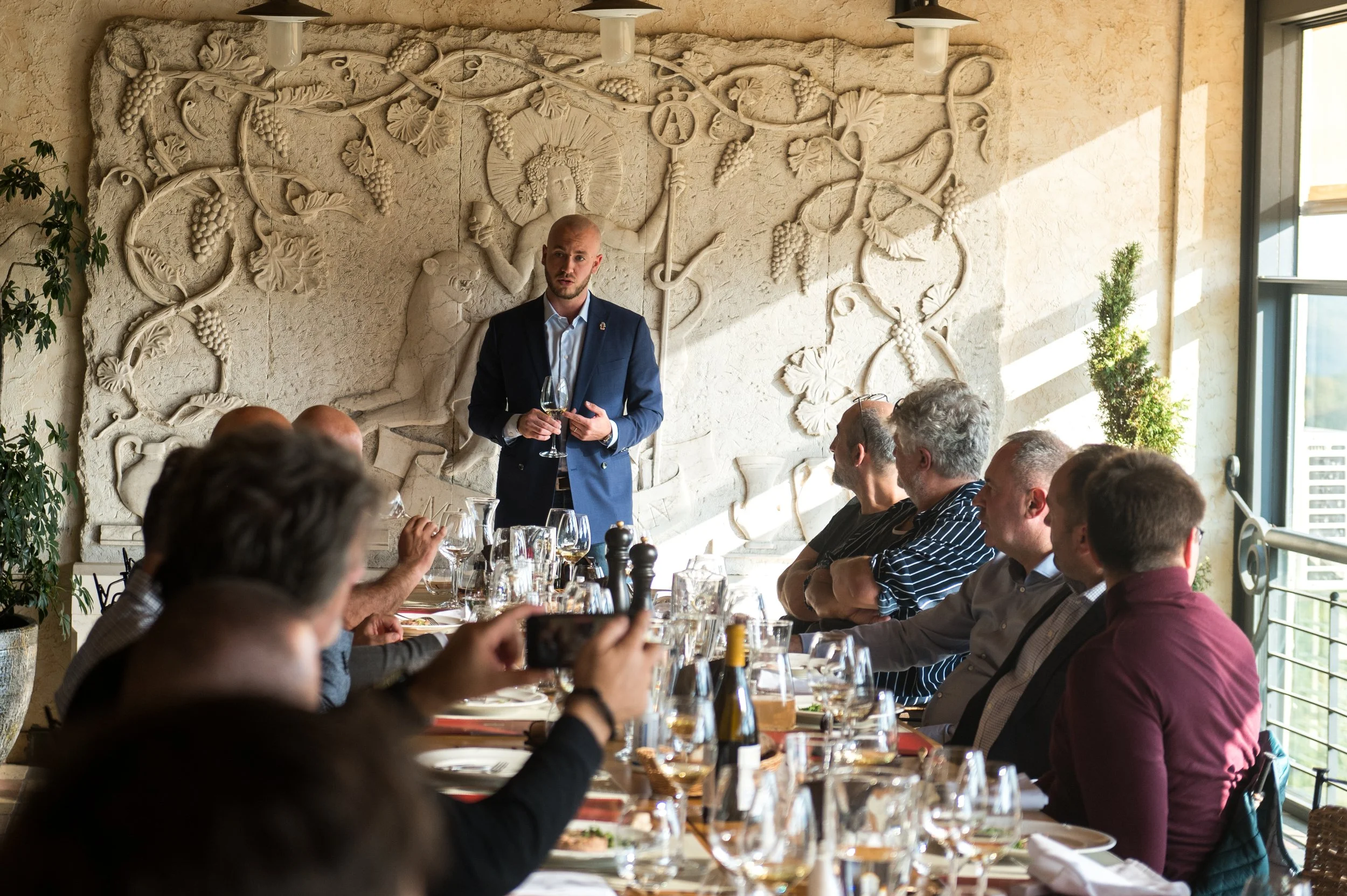
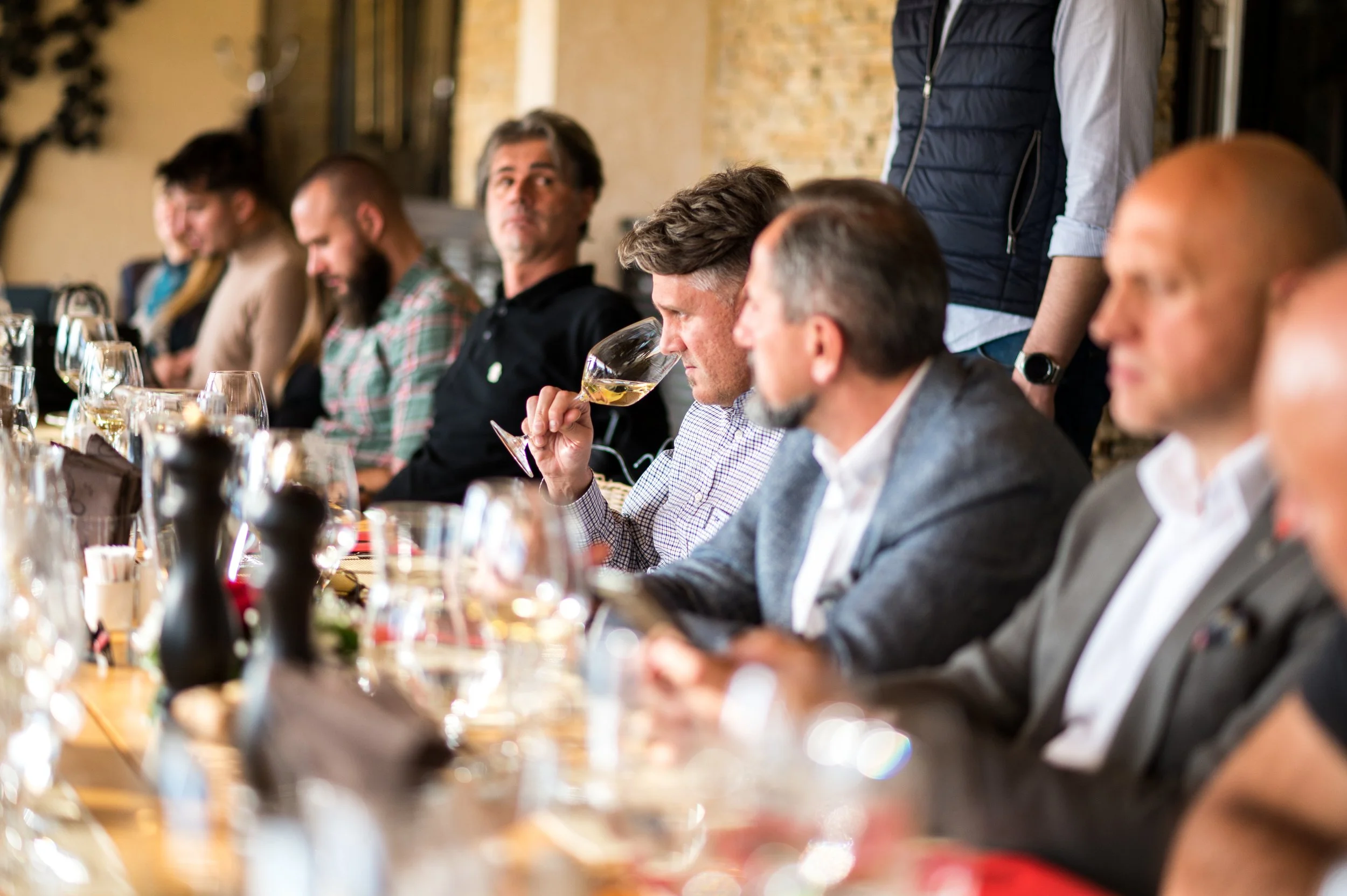
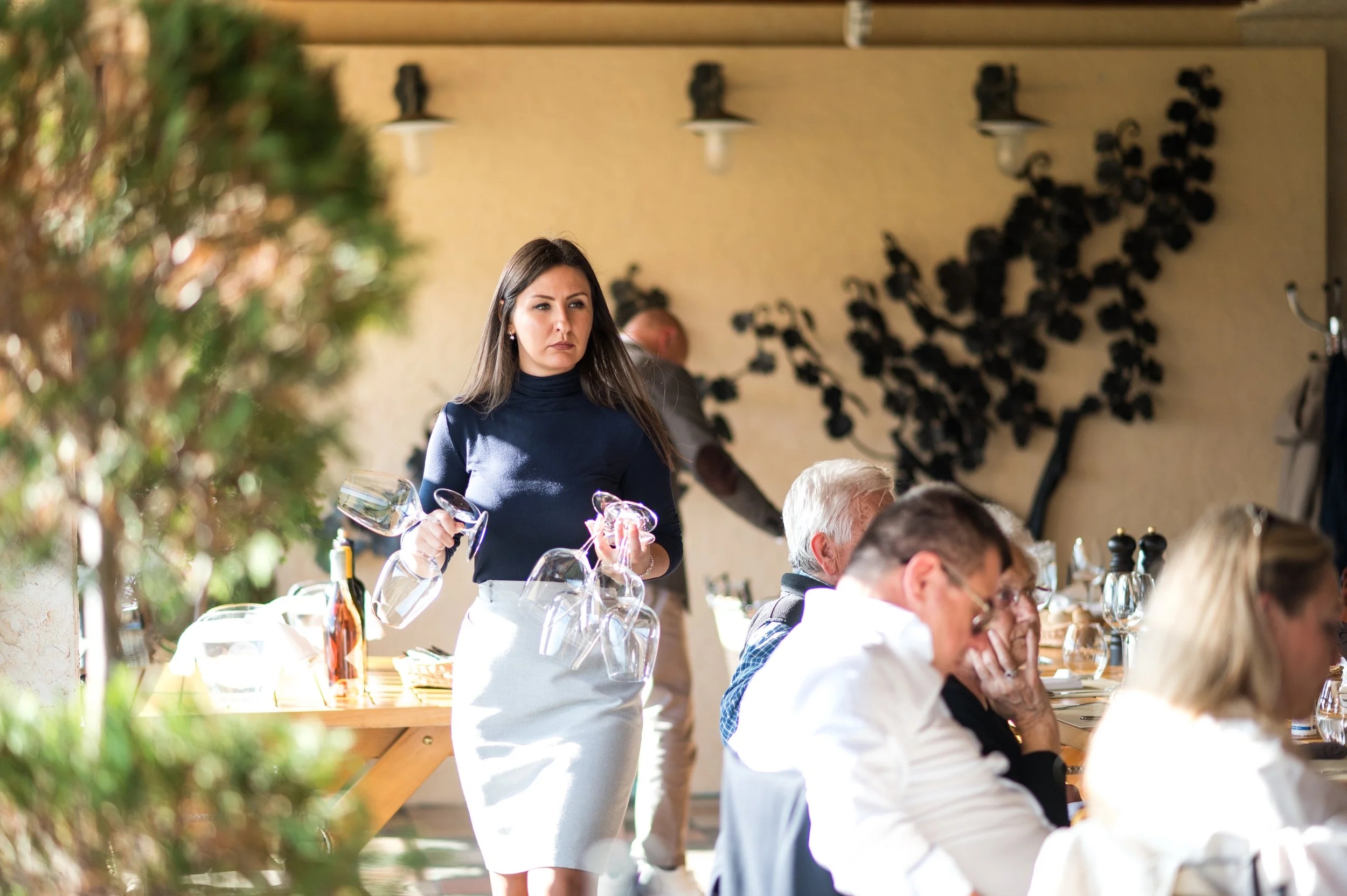
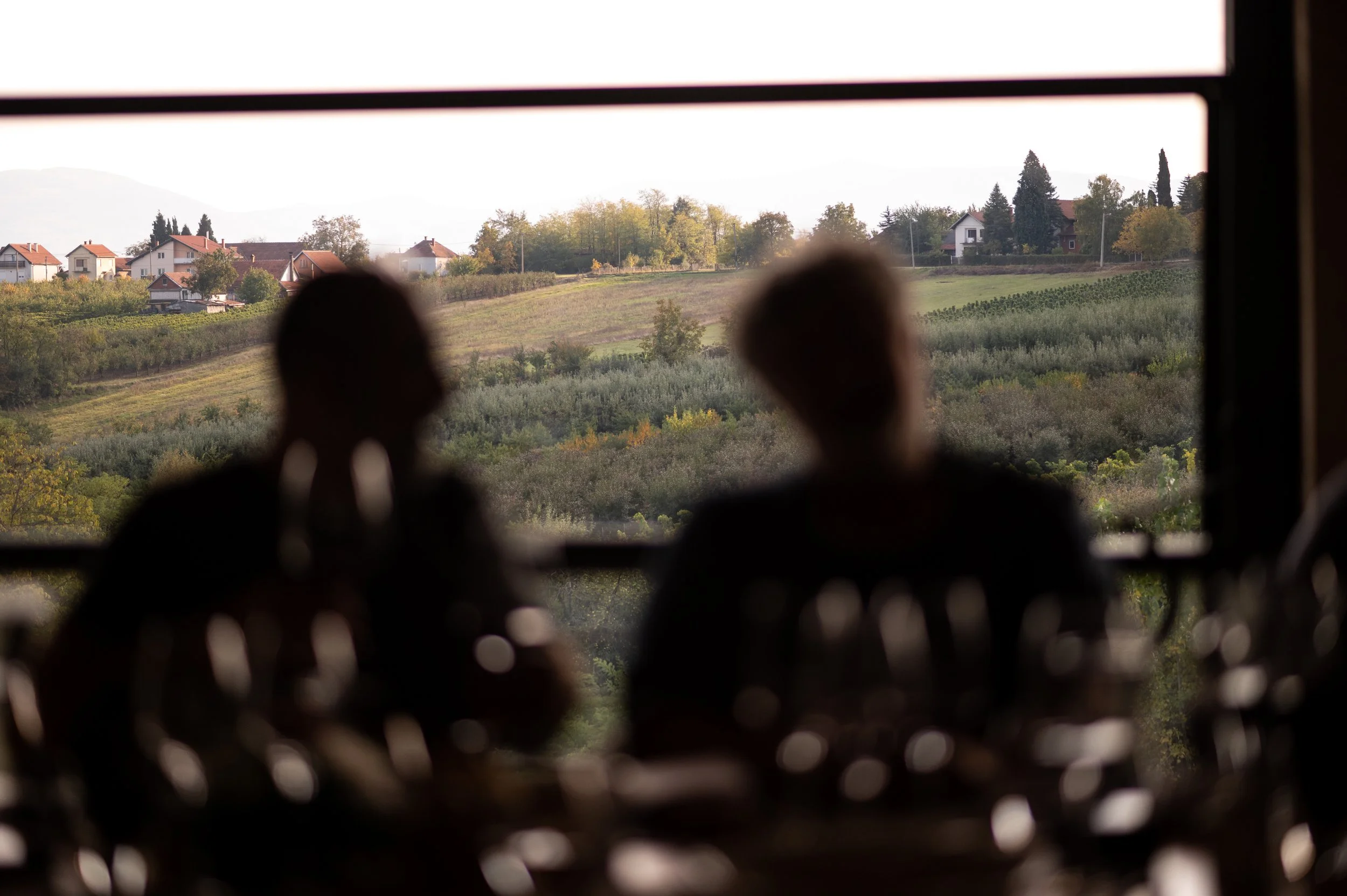
On the rolling hills of Oplenac, at the iconic Aleksandrović Winery, an extraordinary comparative tasting unfolded, one not built around competition, but around conversation. Wine experts from across Serbia gathered to explore a compelling question: how do the terroirs of Paso Robles and Šumadija speak through wine?
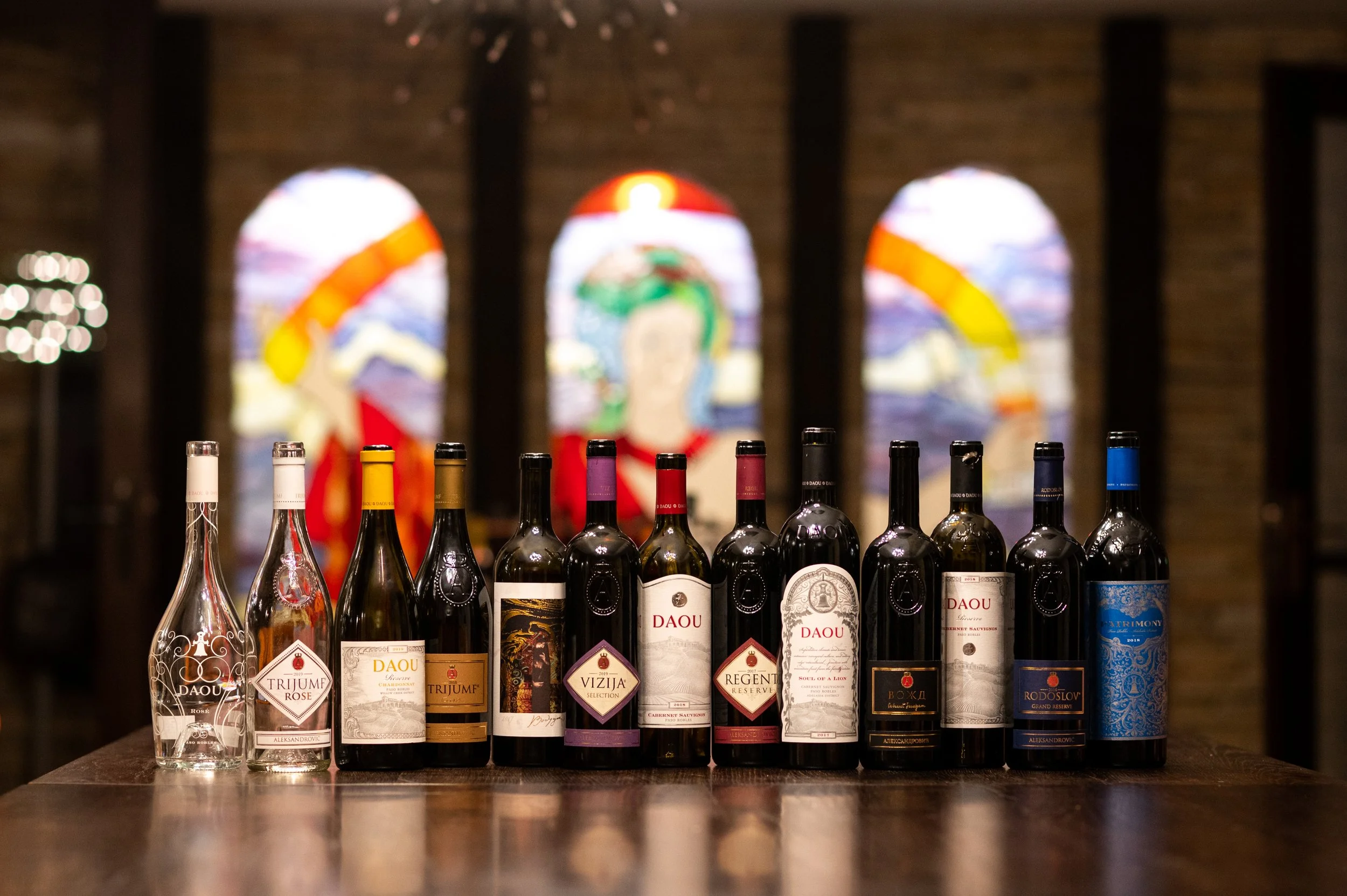
GUNS OUT
Both Serbian and American producer brought out their best wines, making this event a showcase to remember.
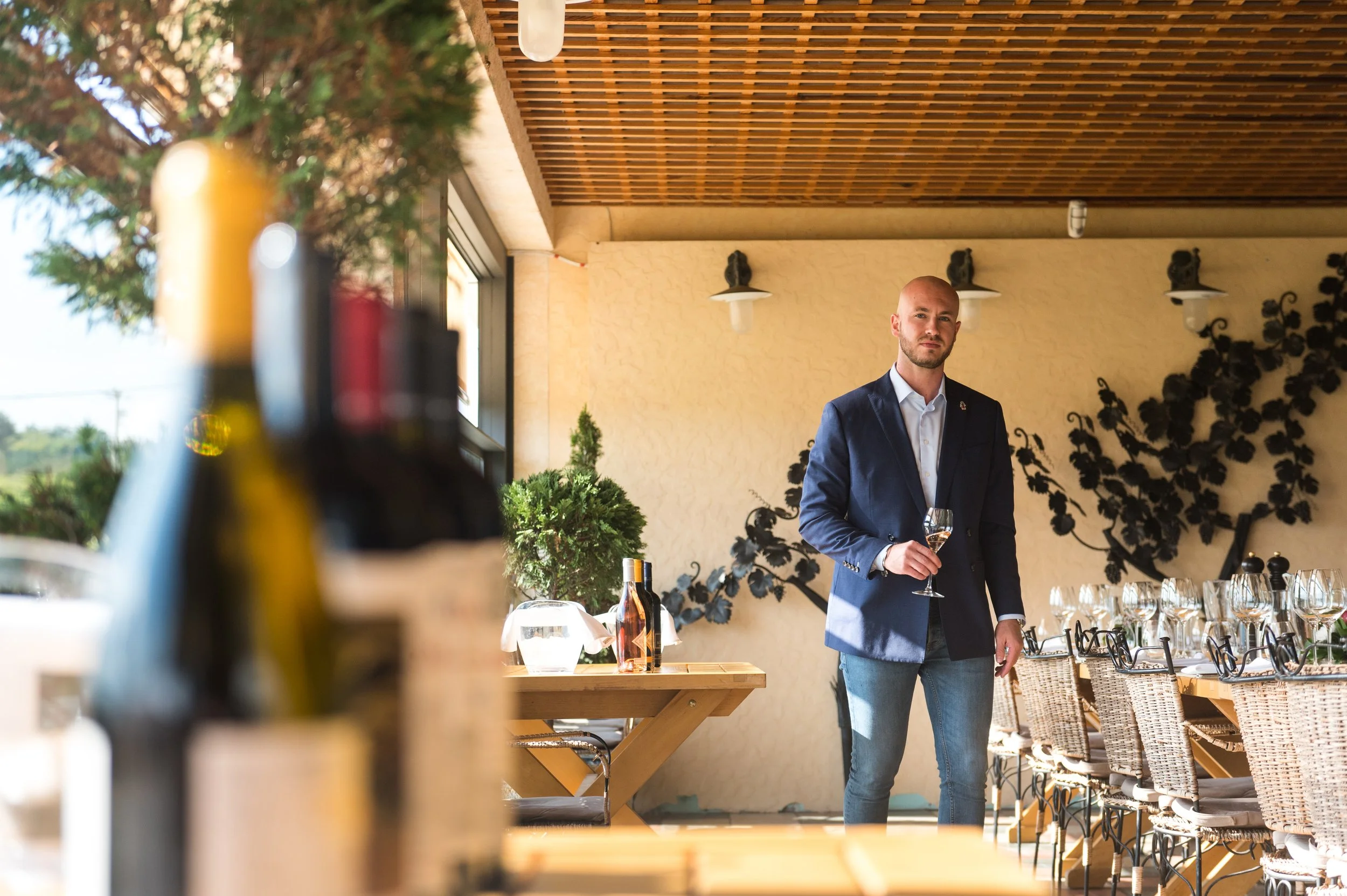
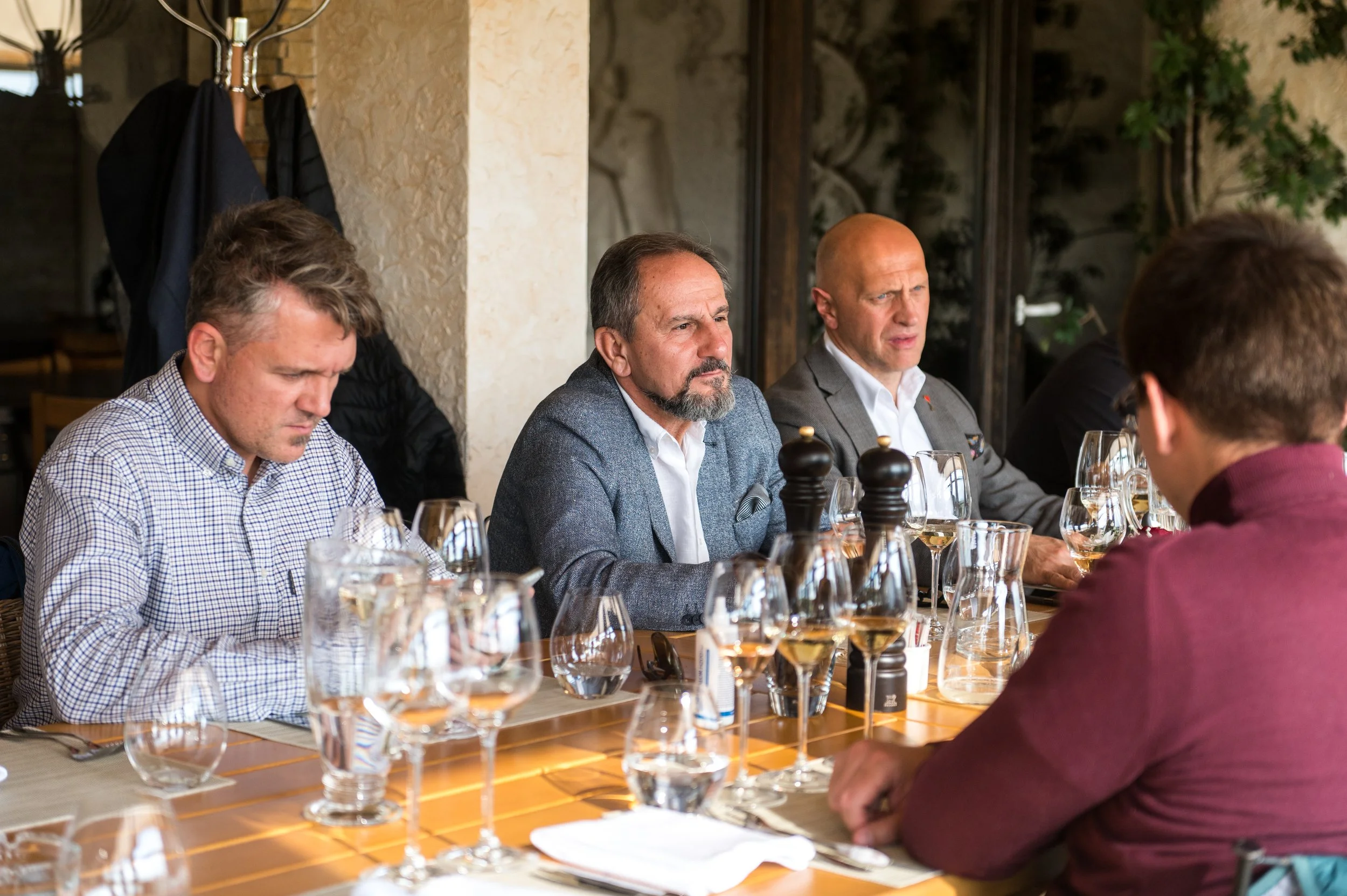
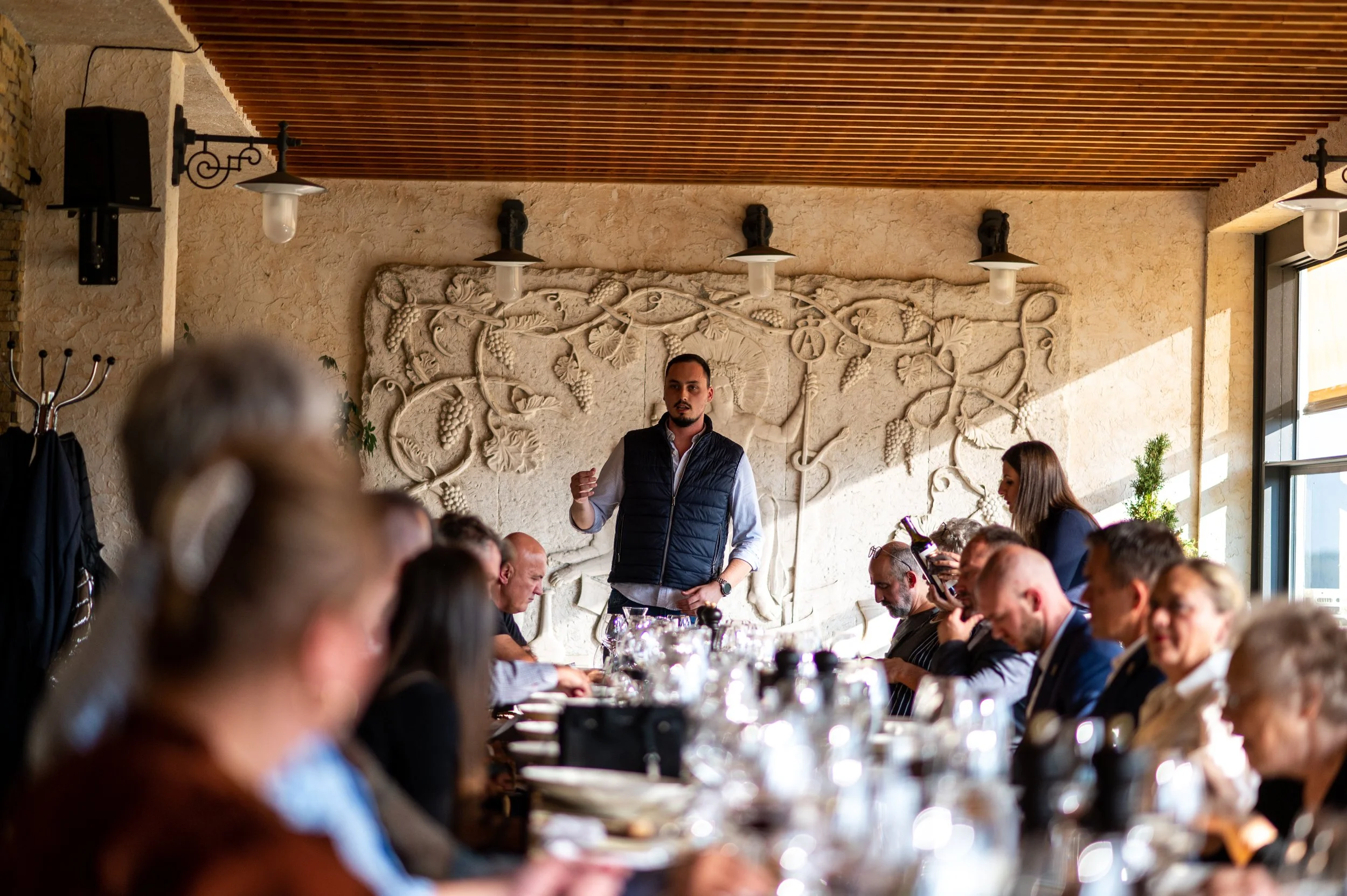
Hosted at one of Serbia’s most influential wineries, the tasting brought together acclaimed wines from California’s Central Coast and Serbia’s historic Oplenac region. The event was the first official collaboration between US and Serbian wineries.
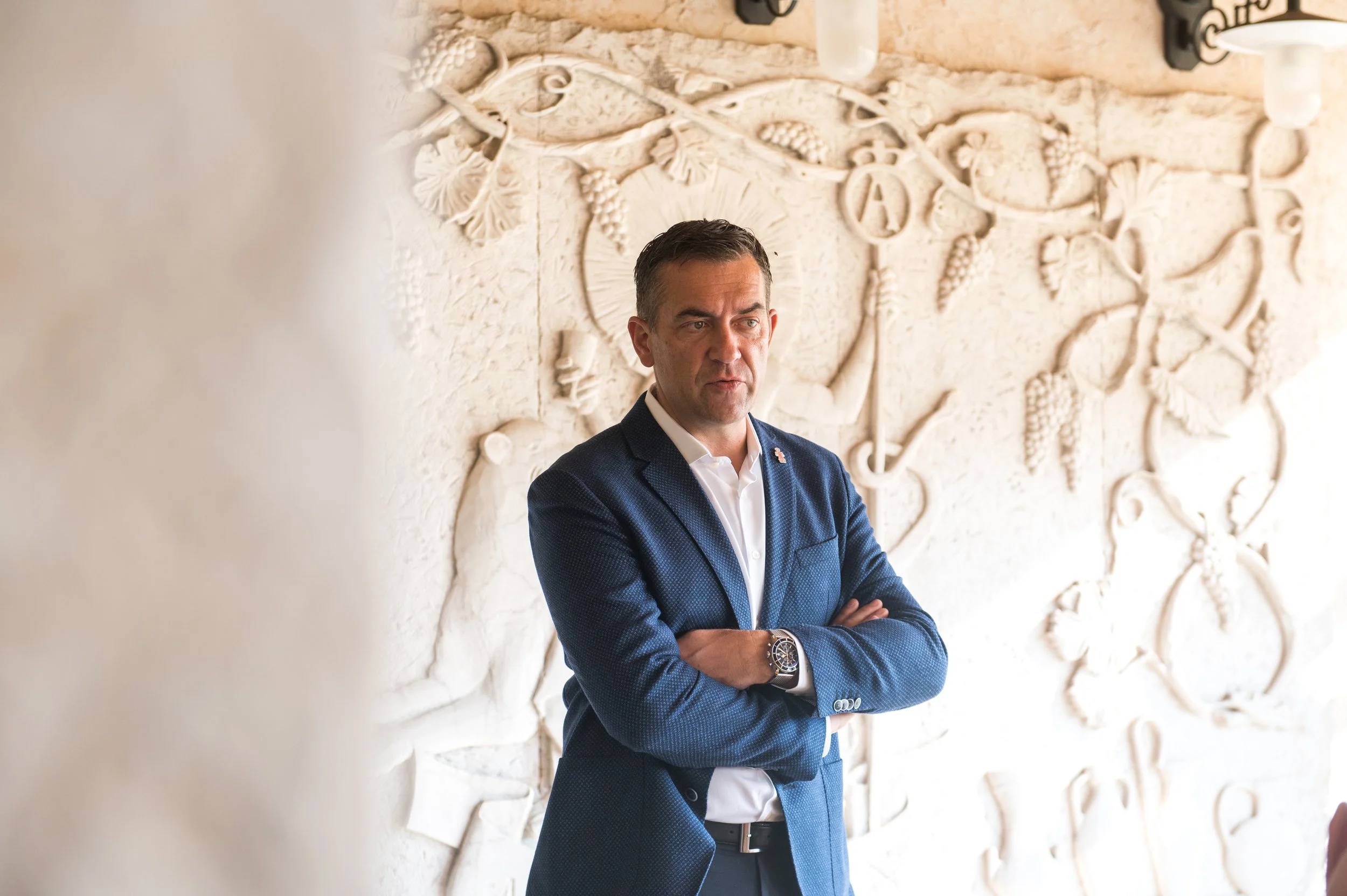
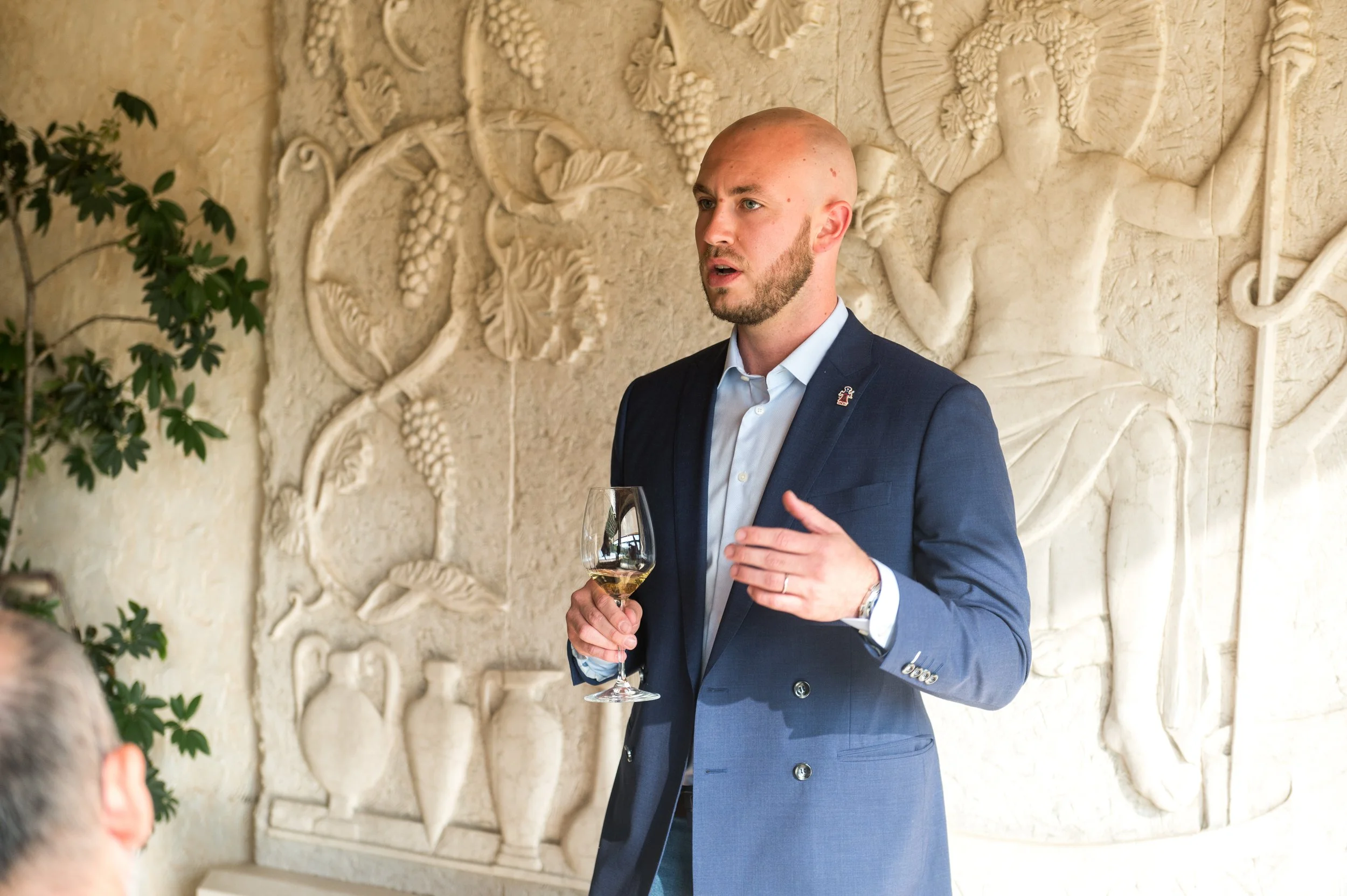
Representing Paso Robles DAOU Estate and Patrimony Estate, presented by 2 Serbian-Americans from Los Angeles, Neb Lukic and DJ Rakovic. On the Serbian side, Boža Aleksandrović and Vladan Nikolić guided guests through the philosophy and evolution of Aleksandrović’s wines, long considered among Serbia’s benchmark producers.
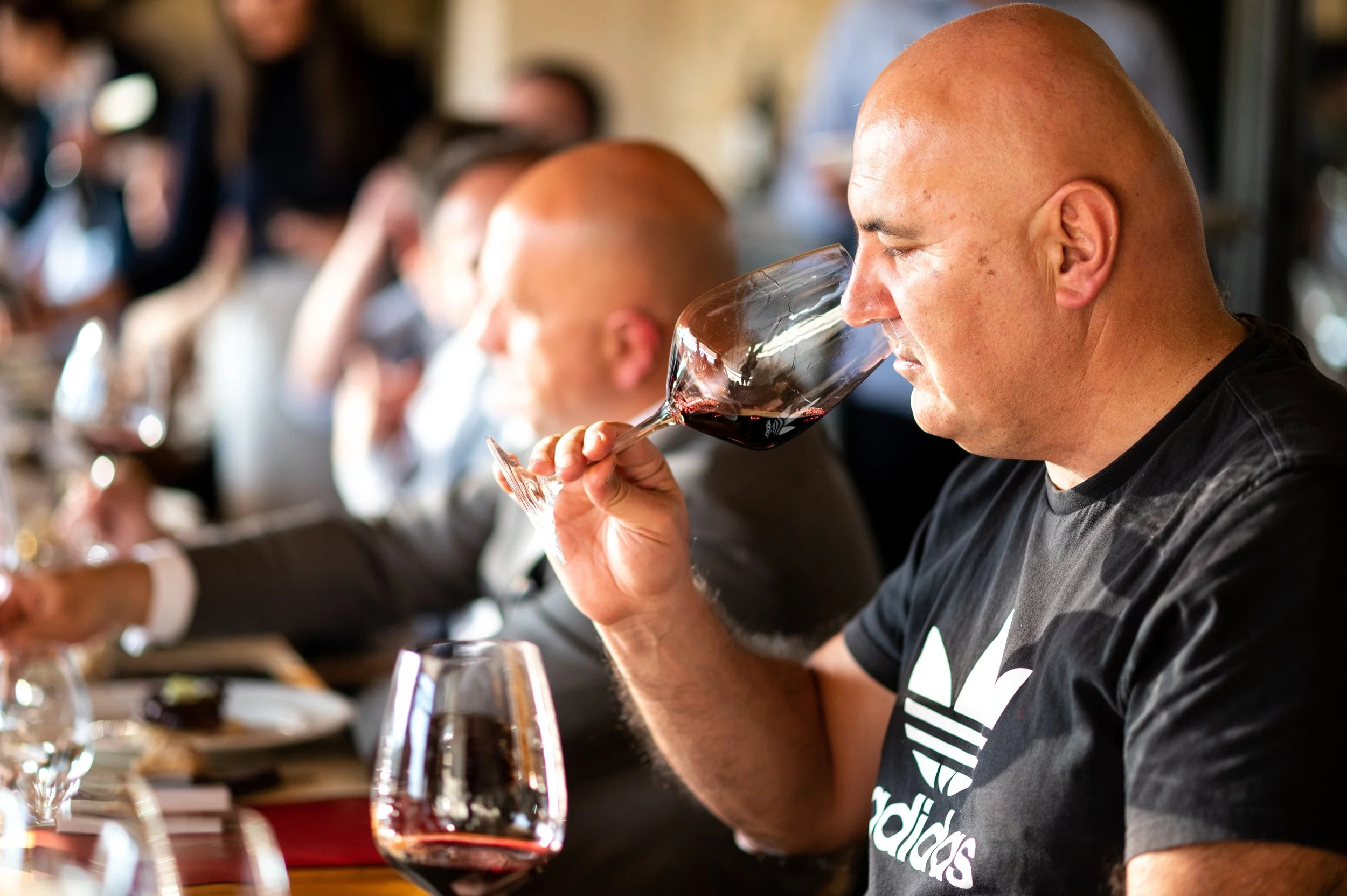
The event, which was described by Serbian wine media as a “Paris Judgement on Oplenac”, created a thoughtful side-by-side exploration of terroir, structure, and identity. Rather than focusing solely on scores or prestige, the tasting encouraged attendees to compare stylistic expression: the sun-drenched power, density, and mountain-grown intensity of Paso Robles wines against the freshness, restraint, and continental elegance found in Serbia’s Šumadija region.

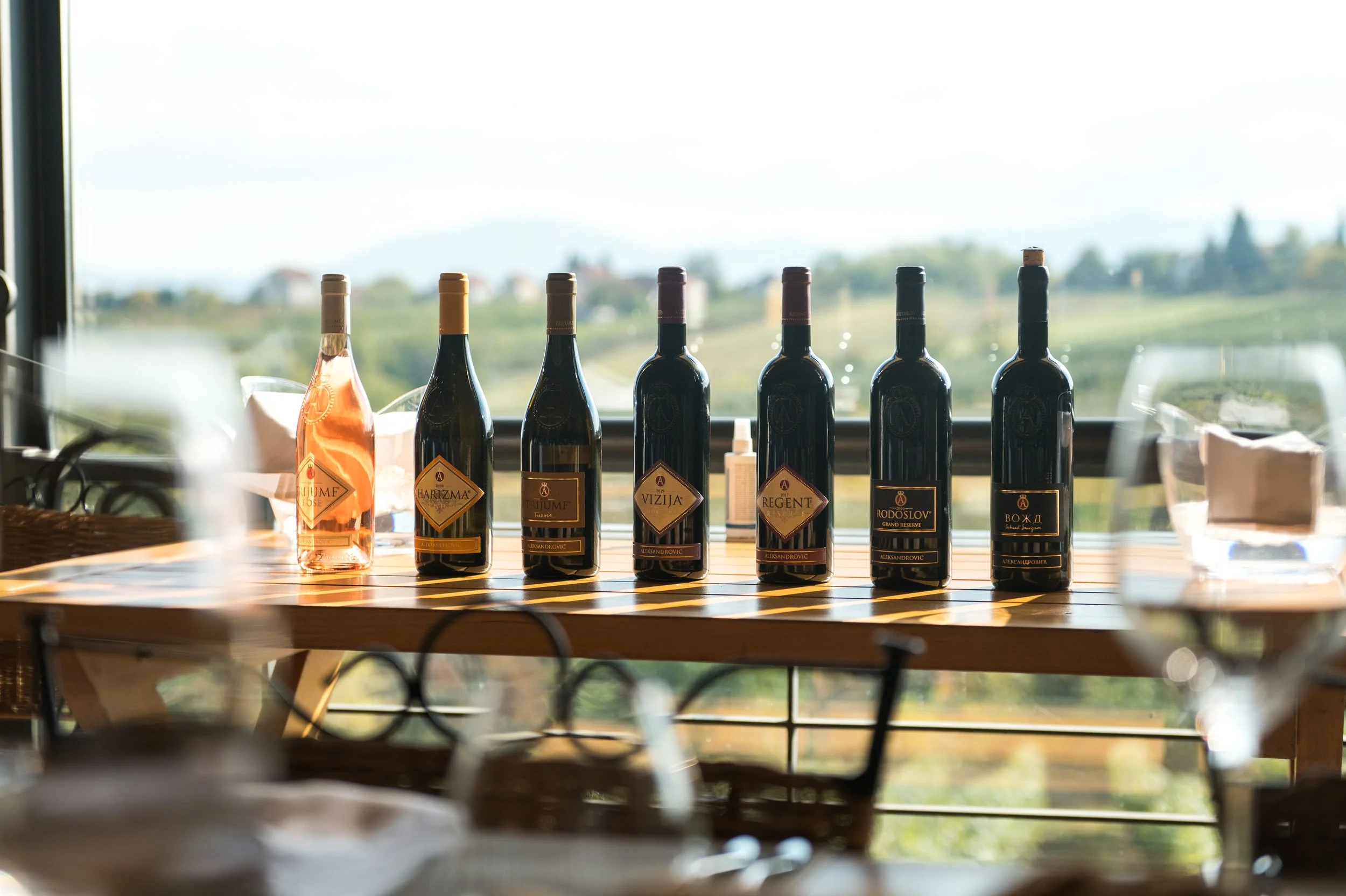
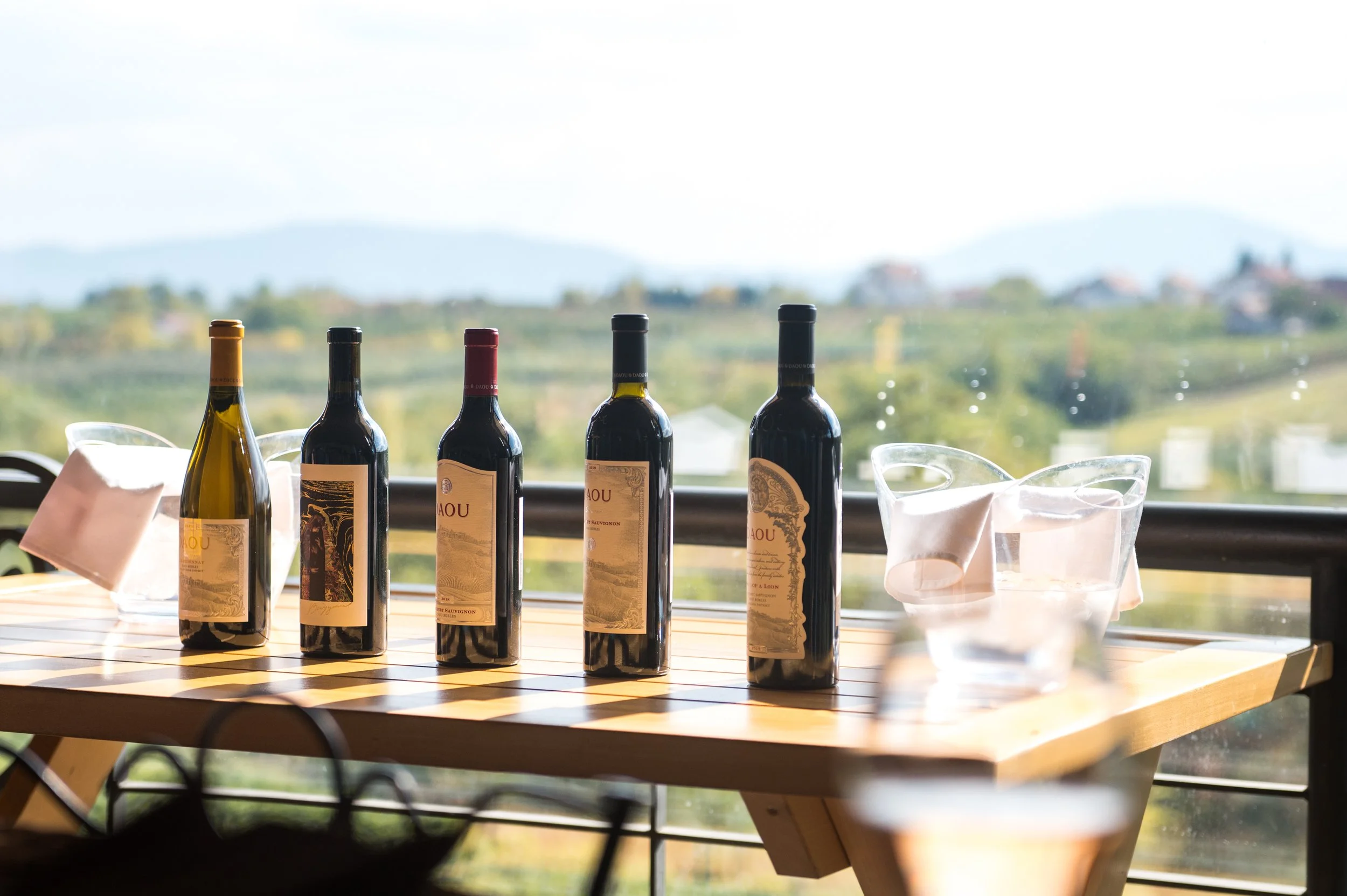
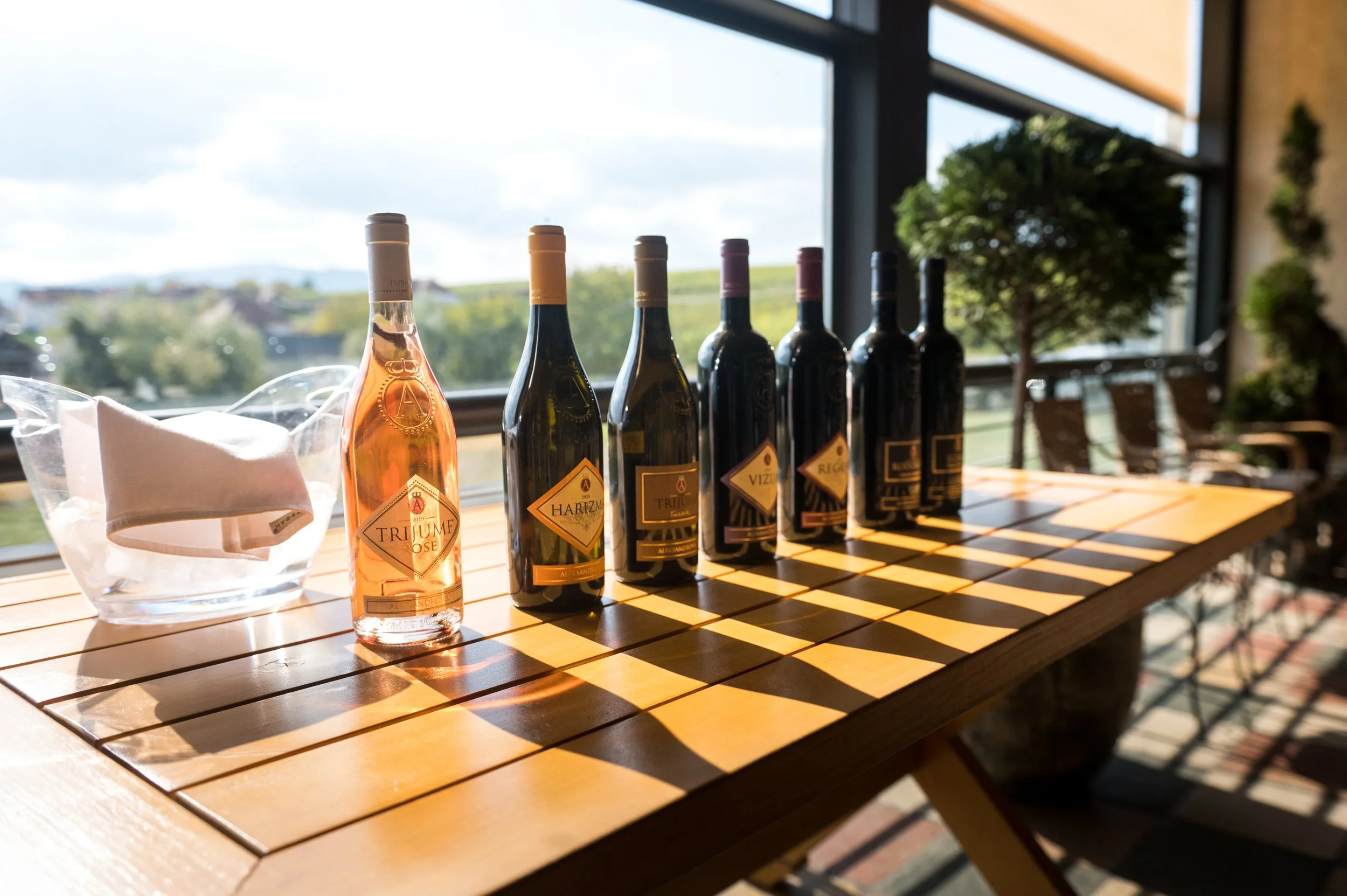
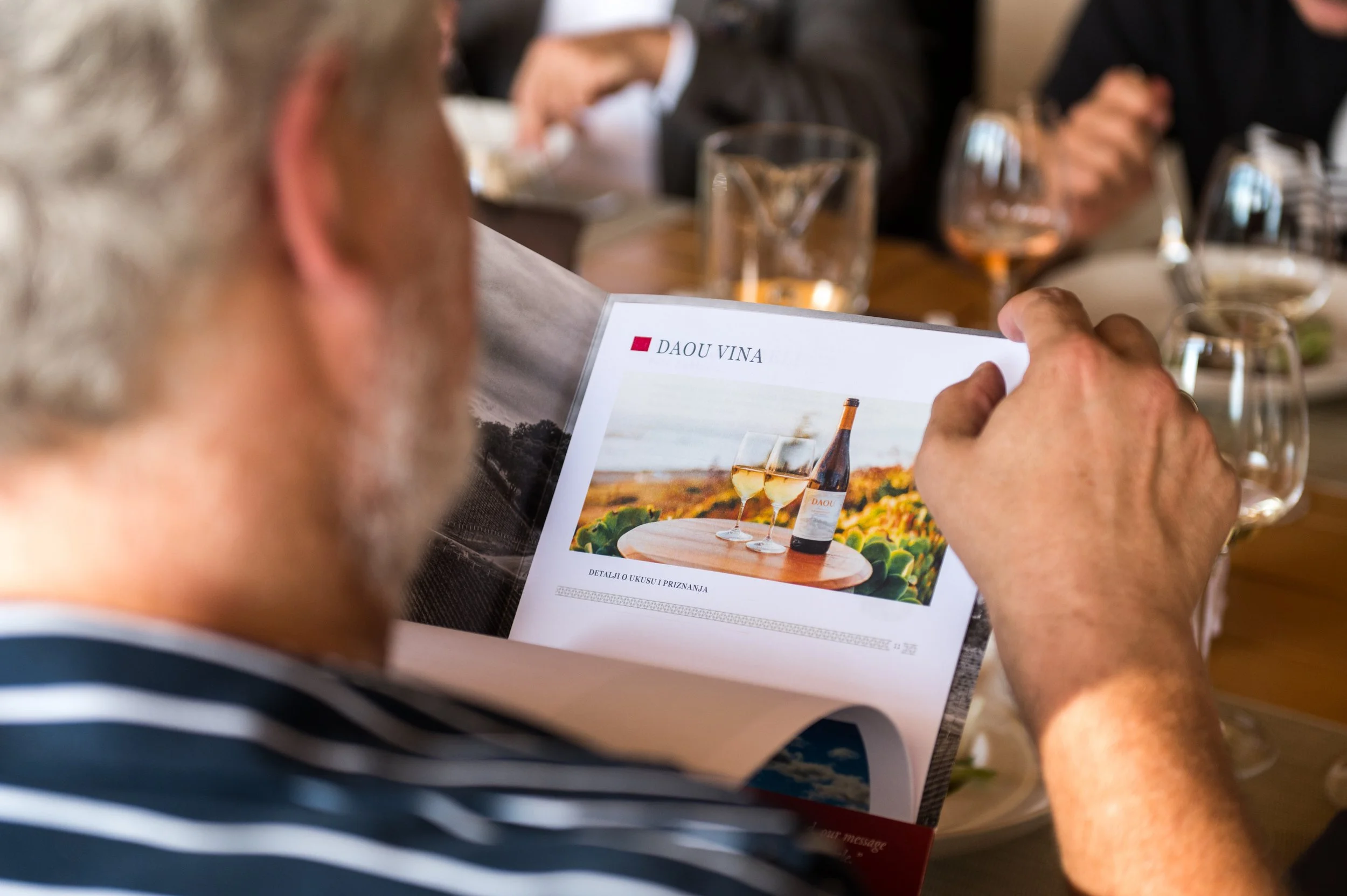

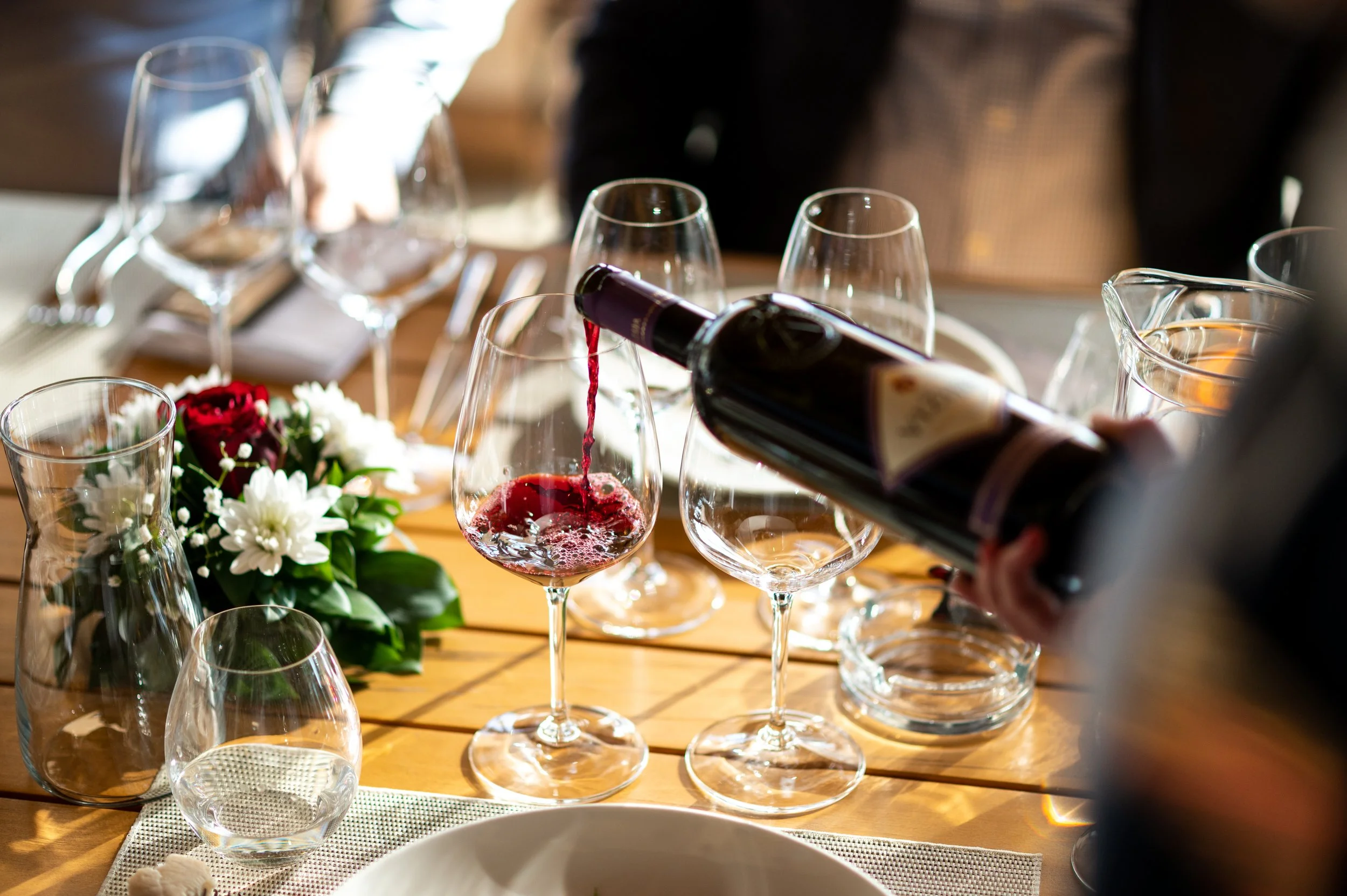
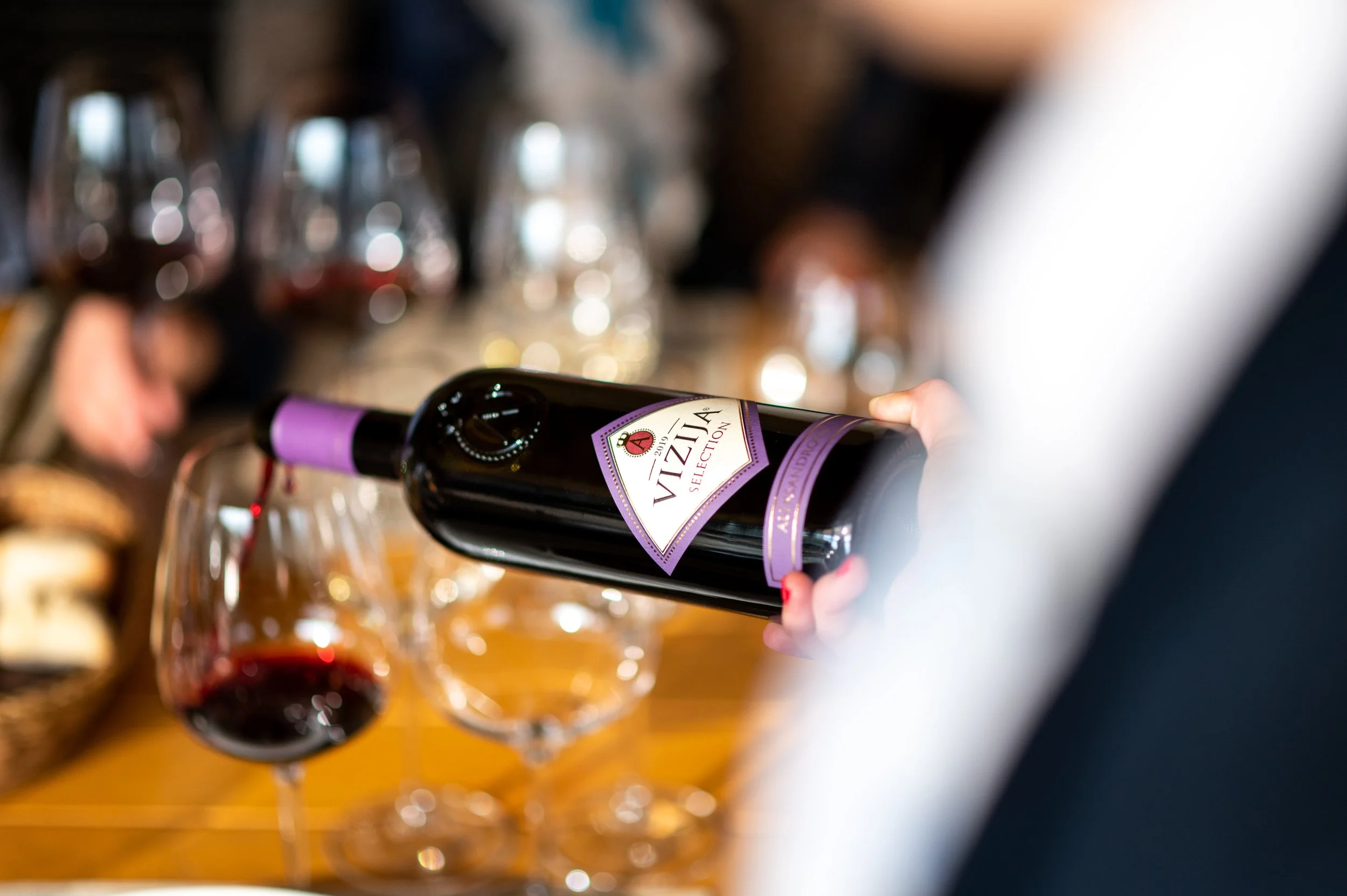
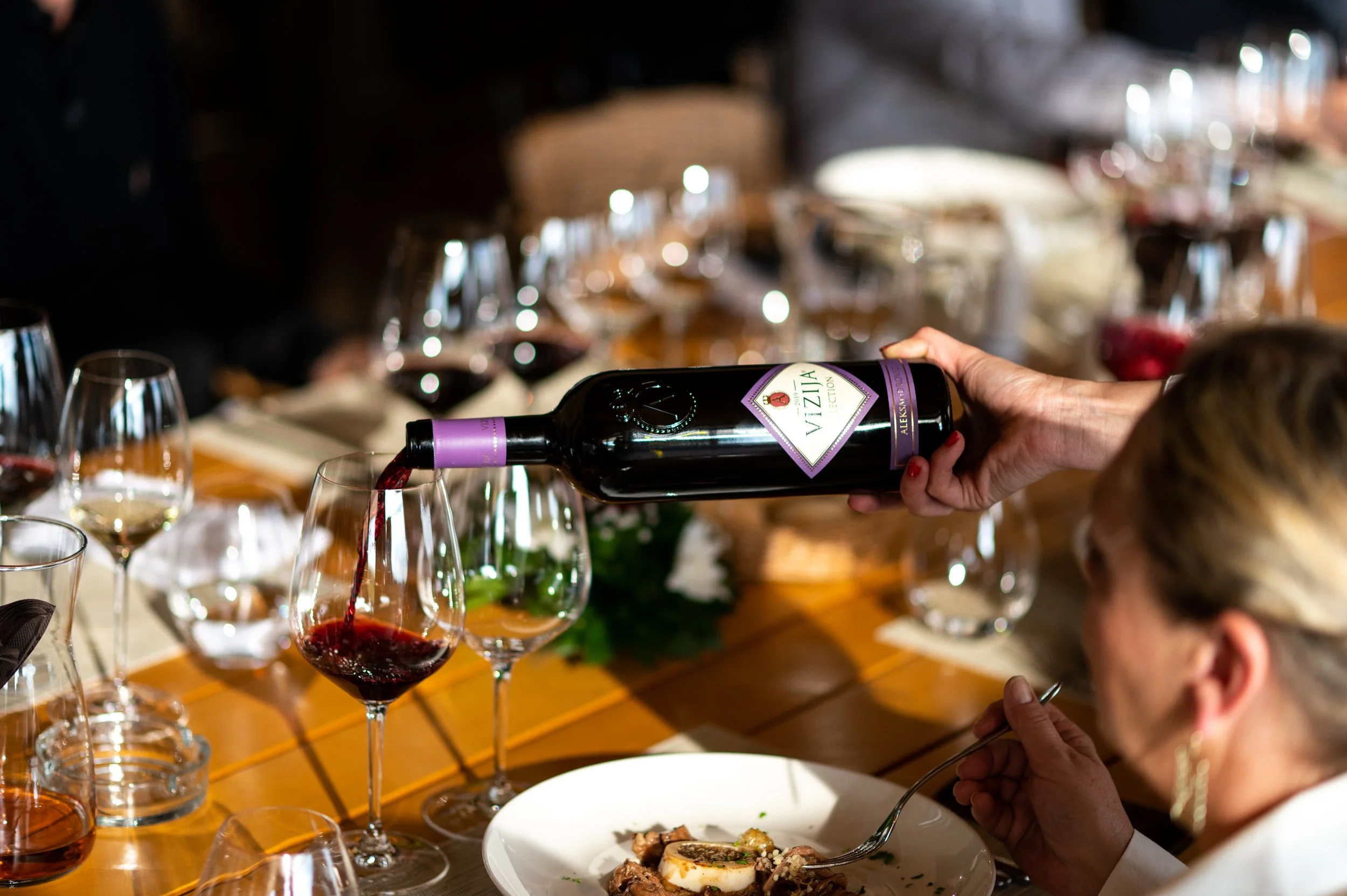
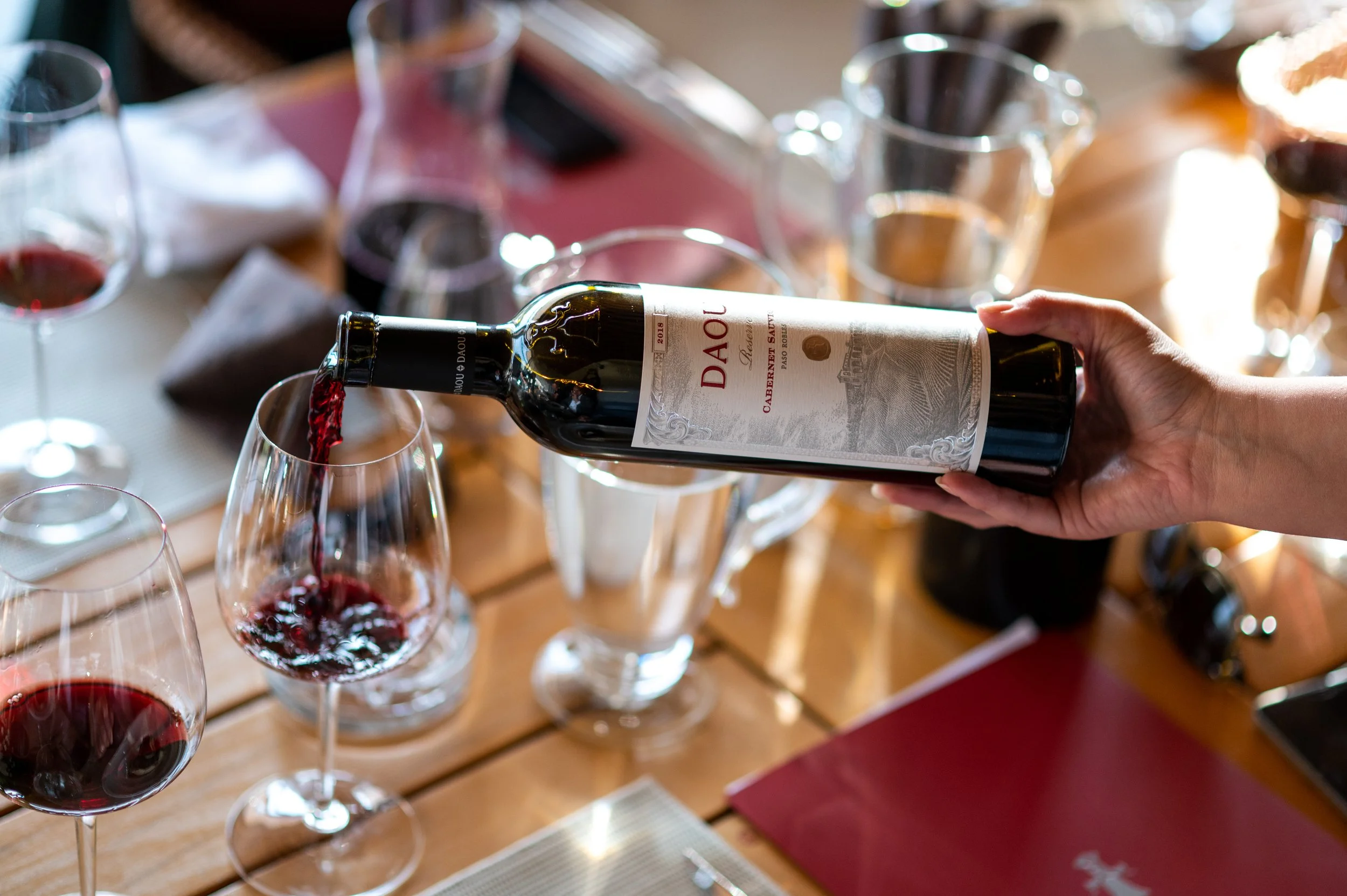
For Patrimony and DAOU, the tasting highlighted the unique growing conditions of the Adelaida District in Paso Robles, limestone-rich soils, dramatic elevation, and extreme diurnal shifts that produce Cabernet Sauvignon and Bordeaux varietals of remarkable concentration and precision. Meanwhile, Aleksandrović showcased the depth of Serbian winemaking heritage, rooted in the royal winemaking traditions of Oplenac and expressed through wines shaped by cooler evenings, forest soils, and centuries of viticultural history.
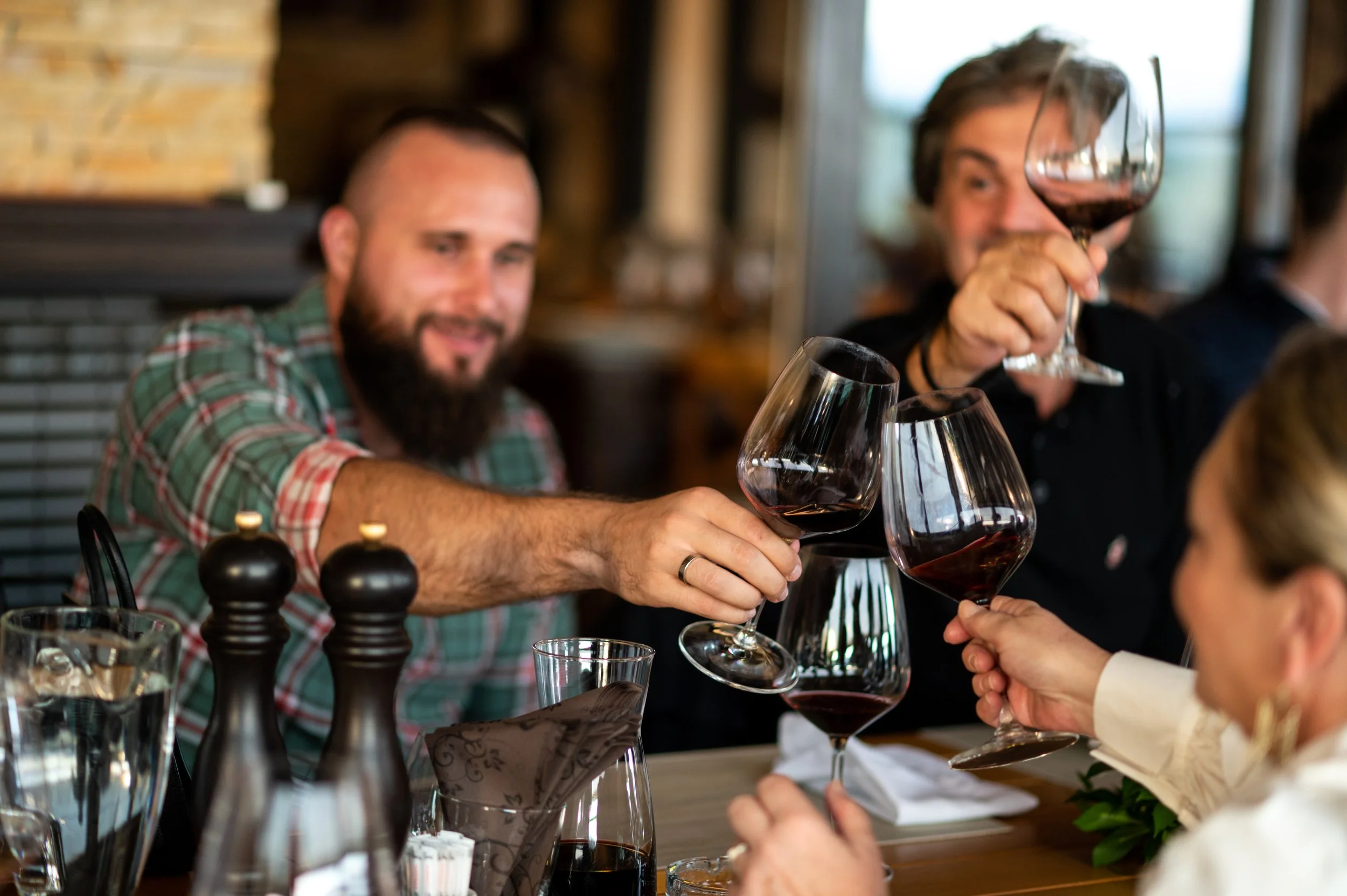
More than a tasting, the gathering became a cultural exchange, one where wine professionals, sommeliers, and enthusiasts reflected on how two very different regions can pursue the same ideal: wines with unmistakable identity, authenticity, and a deep sense of place. In the end, there were no winners or losers, only a greater appreciation for what terroir can reveal when borders are removed and glasses are shared.