
What great wines of Italy and France Still Teach the Wine World
The greatest wines in the world all share one unmistakable characteristic:
They taste undeniably of somewhere.
Not merely of grape variety.
Not simply of ripeness or oak treatment.
Not of winemaking technique alone. But of place. Of land, history, climate, culture and time.
This is the quiet magic that has elevated the great red wines of Burgundy, Barolo and Barbaresco into something greater than prestige, rarity or price. These wines have endured because they possess an unmistakable sense of place — an essence so deeply rooted that even as vintages evolve, ownership changes and techniques modernize, the soul remains intact.
And perhaps, in a rapidly changing wine world, this lesson matters now more than ever.
To an untrained palate, the great wines of Burgundy and Piedmont can initially feel understated.
A red Burgundy may seem lighter than expected. and a young Barolo may feel austere, structured, even difficult. Barbaresco, despite its grace, often reveals itself slowly rather than immediately announcing its greatness.
In a market conditioned by intensity, richer fruit, higher alcohol, extraction and instant gratification, old world wines can sometimes be misunderstood.
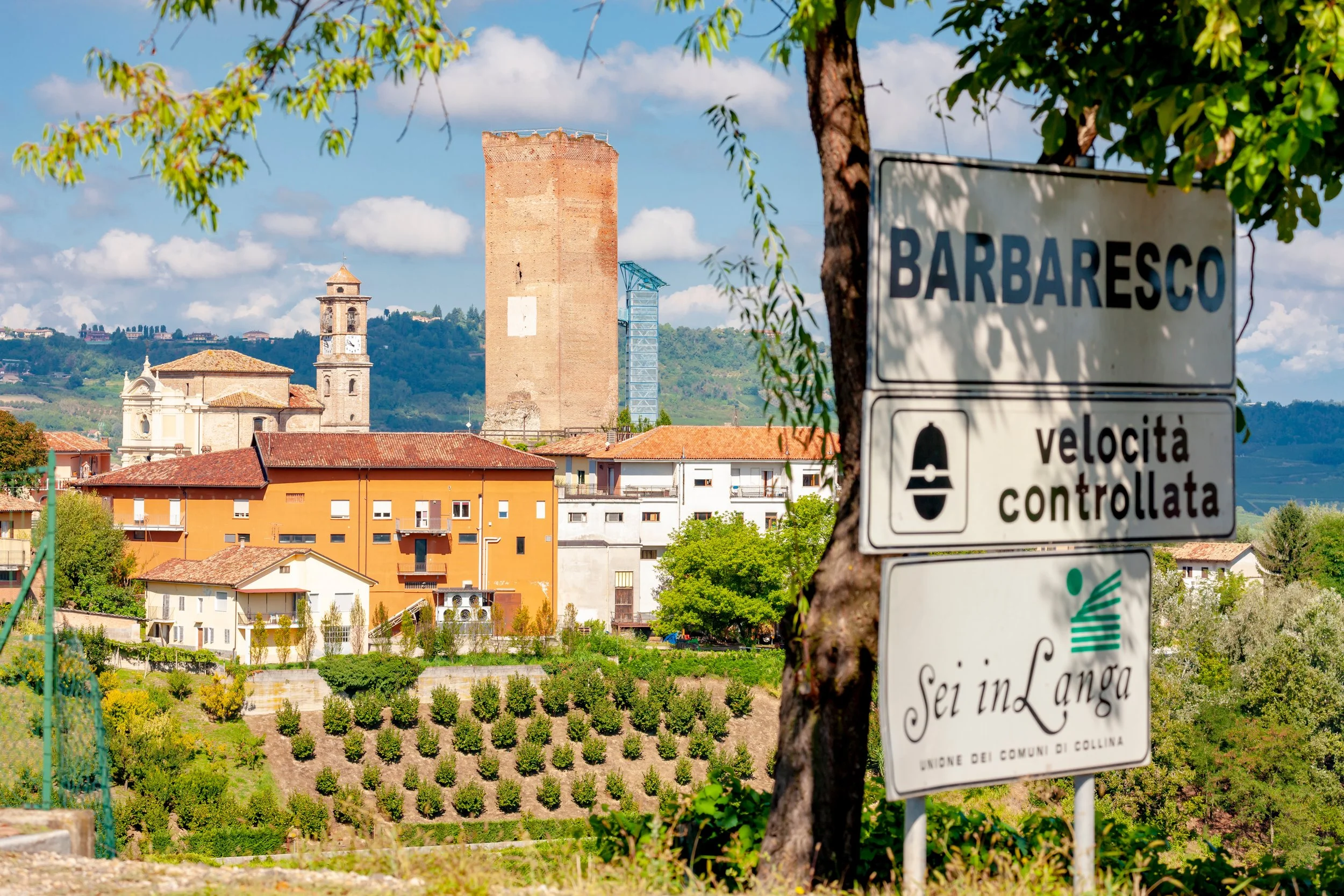
DOCG Barbaresco
Medium body becomes mistaken for lesser quality.
Elegance mistaken for weakness. Restraint mistaken for simplicity. But greatness in wine has never been about volume.
The world’s greatest wines are rarely loud. They whisper.
And what they whisper is place. A great Burgundy tastes unmistakably like Burgundy long before it tastes expensive.
The limestone soils, cooler climate, centuries of refinement and philosophical commitment to terroir all converge into wines that feel rooted rather than manufactured. They carry tension, delicacy and an almost haunting transparency — wines that seem less made than revealed.
The same can be said of Piedmont. Barolo and Barbaresco are not simply expressions of Nebbiolo. They are expressions of hillsides, fog, altitude and patience. Their beauty lies in contradiction — powerful yet restrained, aromatic yet structured, age-worthy yet fragile in youth.
These wines do not attempt to become something else. Nebbiolo does not apologize for being Nebbiolo. Burgundy does not chase trends. They have already earned their place in history by staying true to themselves.
That is the true meaning of a sense of place.
And contrary to popular belief, it extends far beyond soil composition or climate maps. Place is not merely geography.
Place is philosophy. It is cultural memory. It is consistency of vision over generations. It is restraint in the face of commercial temptation. It is knowing what a wine should be — and protecting that essence. A true sense of place asks a simple but difficult question:
Does this wine feel rooted in somewhere — or could it come from anywhere?
This question feels increasingly relevant when looking at the broader global wine landscape, particularly in America. To be clear, California makes worldly wines.
Its greatest estates have proven beyond question that American terroir can rival the finest regions on earth. California possesses remarkable vineyard diversity, ideal growing conditions and world-class viticulture. From the volcanic hillsides of Napa to the limestone-rich soils of Paso Robles and the cooler pockets of Sonoma, America is capable of profound wines.
Yet the challenge is not capability. The challenge is continuity. American wine was built on innovation, ambition and freedom, qualities that helped propel the industry to global prominence. Flexible regulations, entrepreneurial energy and stylistic openness allowed producers to experiment in ways Europe often could not.
But freedom can occasionally come with tradeoffs. Over time, parts of the industry became increasingly driven by style, scale and market responsiveness.
One era rewarded opulence. Another rewarded critic-driven ripeness. Now the pendulum moves toward freshness, restraint and lower alcohol. Wineries adapt. Labels multiply. Messaging evolves. And somewhere along the way, consumers are increasingly left asking a subconscious question:
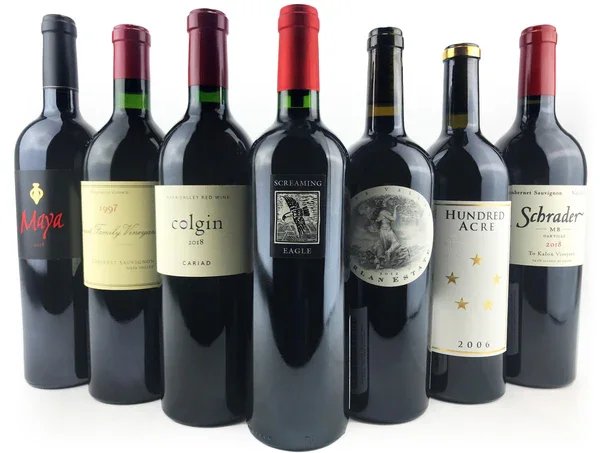
Cult California Cabernet Sauvignons
What does this wine actually stand for?
Perhaps the more important question is this:
What place does it truly represent?
Because consumers — even those without formal wine education — are remarkably intuitive. They may not know how to describe terroir.
They may not articulate minerality, acidity or tannin structure. But they instinctively understand authenticity. They know when something feels rooted.
And they notice when something feels manufactured. This matters profoundly today because wine itself is changing.
Global wine consumption has softened in recent years, particularly among younger consumers. Yet beneath the headlines lies a more nuanced truth:
People are not necessarily abandoning wine. They are becoming more selective. They are drinking less, but drinking better.
The modern luxury consumer increasingly values authenticity, transparency, provenance and meaning. In an age saturated with brands competing for attention, place itself has become a form of luxury. Story matters. Origin matters. Conviction matters. And perhaps that is where the next chapter of fine wine will be written.
Not through louder wines or greater excess., but through deeper honesty. The future may belong to wines brave enough to sound unmistakably like where they came from.
Because the greatest wines in the world do not simply taste good. They taste like somewhere. And in Burgundy and Piedmont, that lesson has never been forgotten.
Perhaps the rest of the wine world is finally ready to remember it..
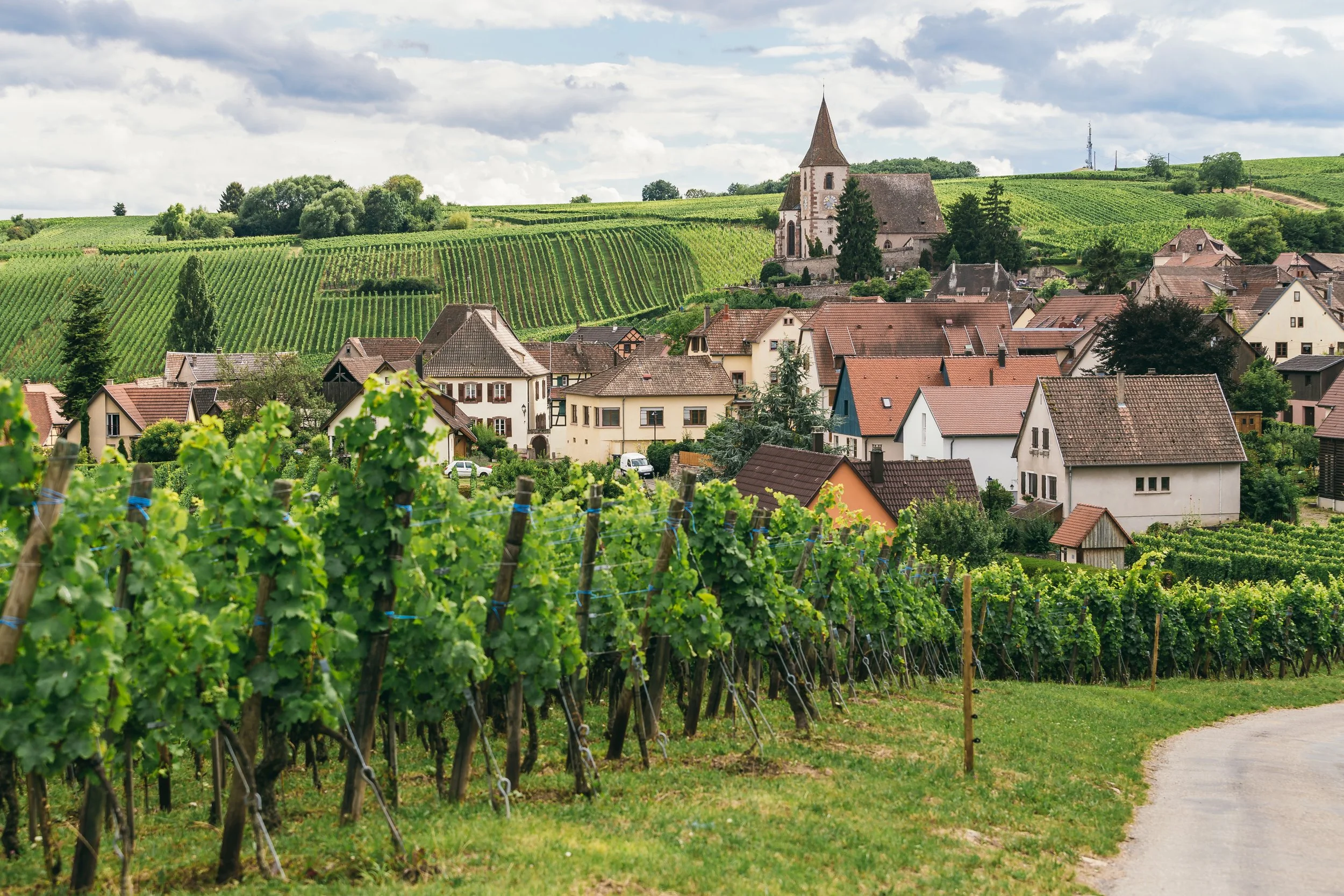
vineyards of Burgundy